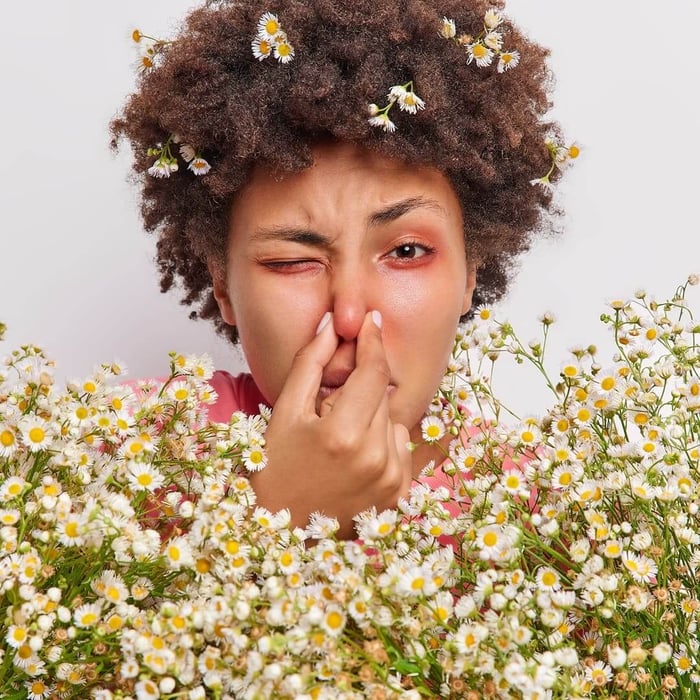

Table of Contents
- Why do so many people feel fine during the day but miserable at night?
- What actually makes allergies worse at night?
- Are bedroom allergens really the biggest cause of nighttime allergy symptoms?
- Could your bedding be the real reason your allergies get worse at night?
- Is sleeping in a dusty room bad for you? (Short answer: yes.)
- Does sleeping with the window open make allergies worse?
- Why do my allergies get worse specifically when I lie down?
- What quick fixes actually help reduce nighttime allergy symptoms?
- What causes allergies at night even if you clean your room?
- Key Takeaways
- Closing Thoughts
- FAQs on Wool Duvet Inserts, Comforters & Sustainable Bedding
TL;DR: If you’re wondering why are my allergies worse at night, it’s usually not random.
Allergens build up in your bedroom, your body reacts differently after sunset, and your bedding may be quietly making everything worse.
The result? Congestion, sneezing, itching, or that sudden “can’t breathe through my nose” moment the second you lie down.
The good news: once you know the real night-time triggers, you can fix them — often with one simple change to your sleep environment.
Short answer: Allergies feel worse at night because histamine levels rise, drainage slows when lying down, and allergens remain close to your face for extended periods during sleep.
| Trigger | Why It’s Worse at Night |
|---|---|
| Dust mites | Concentrated in mattresses and bedding, where warmth and humidity peak during sleep. |
| Bedding materials | Synthetic fills and tightly woven fabrics trap heat and moisture, creating ideal conditions for allergens. |
| Pillows & mattresses | Highest allergen exposure due to prolonged contact close to the airways. |
| Pets | Dander settles into bedding and becomes airborne again as you move during the night. |
| Humidity | Encourages dust mites and mold, increasing congestion and inflammation overnight. |
| Airflow | Poor circulation allows allergens to linger around the breathing zone instead of dispersing. |
| Detergents & finishes | Fragrance and residue remain in close contact with skin and airways for hours. |
Once you understand where allergens concentrate at night, it becomes clear why improving the sleep environment — not just the air — makes the biggest difference.
Why do so many people feel fine during the day but miserable at night?
If you’ve ever wondered why are my allergies worse at night, you're not alone — millions experience the same sudden flare-ups after getting into bed.
Have you noticed that pattern?
You’re breathing normally all day… then you climb into bed, and suddenly:
Your nose blocks.
Your throat feels scratchy.
You sneeze five times in a row.
Your eyes itch even though nothing changed.
This moment is exactly why people turn to Google at 11:47 pm typing “why are my allergies worse at night?”
Here’s the truth no one tells you:
Nighttime is when every allergen in your room gets a front-row seat to your airways.
And when you lie down, your body becomes more reactive, not less.
That’s why nighttime allergy flare-ups feel so frustrating — and so unfair.
Learn More in our Ultimate Hypoallergenic Bedding Guide
What actually makes allergies worse at night?
Understanding why are my allergies worse at night starts with knowing what changes inside your body after sunset.
This is where the science gets weirdly comforting — because it explains everything.
1. Your immune system ramps up inflammation at night
Histamine levels rise after sunset.
That means:
more congestion
worse itching
more irritation
stronger reactions to small triggers
So even tiny allergens feel bigger at 10 pm than at 10 am.
2. Lying down changes airflow
When you're horizontal:
nasal passages swell
post-nasal drip settles
allergens don’t drain as easily
This is why so many people ask “why do I get allergies at night?” even when they feel normal during the day.
3. Your bedroom accumulates allergens more than any other room
You spend 6–9 hours in one enclosed space, inhaling the same micro-environment.
Which leads us to the #1 hidden cause…
Are bedroom allergens really the biggest cause of nighttime allergy symptoms?
Yes — overwhelmingly yes.
Here are the main culprits behind allergies that get worse at night:
Dust mites
They thrive in:
pillows
comforters
duvets
warm, humid bedding
mattresses
Dust mites are the leading cause of nighttime allergy symptoms, especially congestion.
Feather & down bedding
If you’ve ever wondered:
“Why does my blanket make me itch?”
“Am I allergic to my duvet?”
“Why does my bedding feel worse at night?”
Down and feather fillings are a major allergy trigger.
They trap moisture, collect dust mites, and can cause:
rashes
sneezing
coughing
eye irritation
congestion that worsens after lying down
If you’ve ever wondered whether you might be allergic to down feathers or why a down comforter suddenly makes your nose block up, you’re not imagining it.
Many sleepers experience down allergy symptoms — from mild irritation to full goose-down allergy reactions — and they often show up only at night.
It’s all connected.
Synthetic (polyester/microfiber) comforters
These trap heat and moisture — dust mites love that.
And for sensitive sleepers, polyester allergy hives and itching bed sheets are common signs.
Pet dander
If your dog or cat sleeps on your bed… enough said.
Mold spores / humidity
Bedrooms stay warm and dark — the perfect mold environment.
Pollen from sleeping with the window open
People often search for:
sleeping with window open allergies
Because yes — nighttime pollen exposure is absolutely real.
If heat and moisture make your symptoms worse, our Hot Sleepers Collection showcases bedding designed for enhanced breathability and moisture control.
Could your bedding be the real reason your allergies get worse at night?
Here’s where most people have their “wait… that makes so much sense” moment.
Most people don’t realize that the biggest reason why are my allergies worse at night comes from what’s inside their bedding.
Down & Feather Bedding
Often triggers:
itching
morning congestion
sneezing fits
rashes
throat irritation
eye swelling
Even “hypoallergenic down” still traps dust mites and moisture.
Synthetic Bedding (microfiber/polyester)
Can cause:
overheating
sweating
irritated skin
dust mite growth
chemical off-gassing
These symptoms line up perfectly with allergies while sleeping or allergies when sleeping.
For many sensitive sleepers, choosing temperature-regulating bedding designed for hot sleepers can reduce both overheating and allergy triggers by improving airflow and moisture control.
For more on how temperature, airflow, and moisture management influence comfort — and how these environmental factors relate to irritation — see our Ultimate Guide to Cooling Bedding.
Wool & Organic Bedding (the transformation moment)
Here’s why wool performs completely differently:
wool wicks away moisture (mites cannot survive in dry environments)
It’s the opposite of down and synthetic bedding — and it’s why so many people say they finally wake up breathing clearly after switching.
Organic Wool Comforter | Made in New Zealand, Breathable All-Season Comfort

$342.00
$380.00
Sleep naturally better with our organic wool comforter Unlike down or synthetic comforters that trap heat, our spun wool design wicks away moisture and prevents overheating, so you stay cool & dry. Designed for deeper sleep with a gentle weight… Read more
Is sleeping in a dusty room bad for you? (Short answer: yes.)
A dusty bedroom is one of the biggest aggravators of:
nighttime congestion
chronic sneezing
morning headaches
itchy eyes
sinus pressure
Dust contains:
dust mites
skin flakes
textile fibers
pollen
mold particles
If your allergies worsen the moment you lie down, dust is usually involved.
If chemical exposure or fabric finishes are part of your allergy triggers, our Non-Toxic Bedding Collection includes options made without harsh treatments or synthetic additives.
Does sleeping with the window open make allergies worse?
Sometimes, yes.
Warm air carries:
pollen
dust
outdoor mold
pollution particles
If your allergies spike in spring or fall, that open window is a hidden trigger.
Why do my allergies get worse specifically when I lie down?
Here’s the simple explanation:
Blood flow increases to your upper airway when you recline.
Mucosal tissues swell.
Allergens settle instead of draining.
Airflow narrows → congestion worsens.
This is why people Google:
why do I sneeze when I lay down
why are my allergies so bad when I sleep
And so, your position intensifies your symptoms.
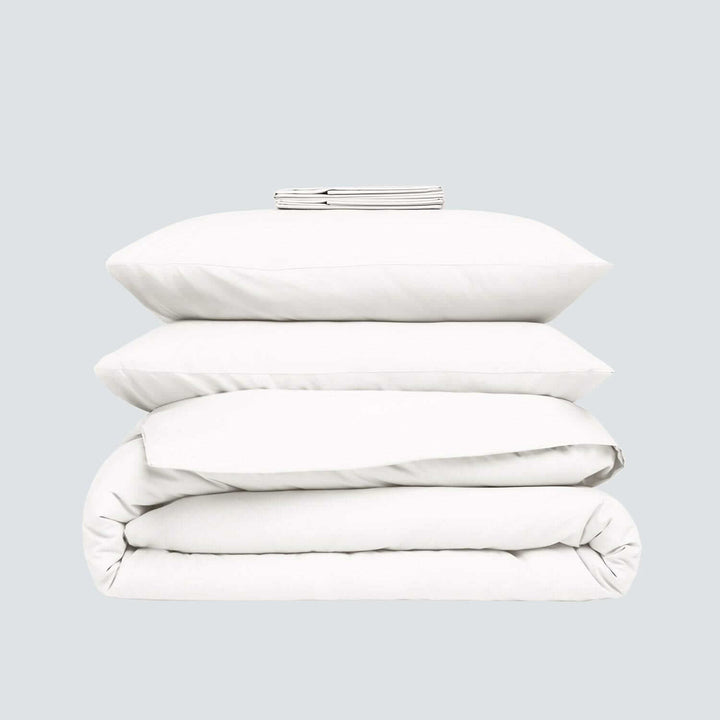
Sustainable & Regenerative Bedding Bundle | No More Night Sweats, Just Deeper Sleep
$598.40
$748.00
Cooler Nights & Deeper Sleep — Every Night Elevate your sleep with the only sustainable bundle crafted from regenerative New Zealand wool and organic cotton for true all-season comfort. These breathable, eco-friendly fibers naturally wick away heat and moisture to… Read more
What quick fixes actually help reduce nighttime allergy symptoms?
Here are the practical steps that improve sleep within days:
1. Replace down or synthetic bedding
This single change helps most nighttime allergy sufferers.
Wool is the gold standard for allergy relief because mites can’t live in its dry, breathable structure.
2. Wash bedding weekly in hot water
Kills mites + removes pollen + removes dust.
3. Keep pets off your bed
(Or at least off your pillows.)
4. Run a HEPA air purifier at night
Especially important in spring + fall.
5. Reduce bedroom humidity
Below 50% is ideal.
6. Vacuum under the bed + clean vents
A forgotten hotspot for allergens.
7. Use natural, moisture-regulating materials
They reduce the humidity + warmth that allergens thrive on.
This is usually the moment people picture what their nights could feel like — calmer, clearer, and finally breathable. It’s the shift that helps them realize a better sleep environment is actually possible.
What causes allergies at night even if you clean your room?
Even spotless bedrooms have:
feather/down fillings
microfiber particulates
body moisture trapped in comforters
pet dander floating on textiles
mattress dust
poor ventilation
That’s why cleaning helps… but doesn’t fix everything.
The bedding material itself often matters more.
Organic Wool Duvet Insert & Bedding Set | Sustainable & Regenerative | Made in New Zealand

$475.15
$559.00
Cooler Nights & Deeper Sleep — All Year Long Looking for the perfect organic wool duvet insert and wool bedding set? This complete bundle includes both the duvet insert and cover. (The insert uses the same breathable, temperature-regulating design as… Read more
Key Takeaways
Why are my allergies worse at night? → inflammation increases + you’re exposed to more allergens in bed.
Bedding materials (down, feather, synthetic) are major triggers.
Wool and organic materials dramatically reduce nighttime symptoms.
Most nighttime allergy issues are fixable once you remove the source.
For sleepers whose symptoms flare at night, our Hypoallergenic Bedding Collection features materials chosen for reduced irritants and breathable comfort.
Closing Thoughts
Explore Our Hypoallergenic & Allergy-Friendly Bedding Collection
FAQs on Wool Duvet Inserts, Comforters & Sustainable Bedding
Why do my allergies get worse right when I lie down?
When you lie down, blood flow increases to your nasal passages, which makes the tissues swell. This narrows your airway and exaggerates your response to allergens already in your bedding — like dust mites, down feathers, and synthetic fibers. Because airflow slows at night, even a small amount of irritation can feel ten times worse, leading many people to ask “why are my allergies worse at night?”
Can bedding materials really cause nighttime allergy symptoms?
Yes — and bedding is one of the biggest, most overlooked triggers. Down and feathers trap moisture and collect dust mites, while polyester holds heat and humidity that make irritation worse. These materials commonly cause sneezing, itching, congestion, coughing, and watery eyes that appear only at night. Switching to natural fibers like wool helps reduce nighttime allergy symptoms because the material stays dry, breathable, and dust-mite resistant.
Why do I wake up congested even if my bedroom looks clean?
A clean room doesn’t always mean a low-allergen environment. Allergens hide inside pillows, comforters, mattress seams, and synthetic fabrics. If your congestion disappears a few hours after waking, your symptoms are likely tied to your bedding — not the overall cleanliness of the room. This is especially common for people who are unknowingly allergic to down feathers or sensitive to polyester.
Should I stop sleeping with my window open if I have allergies?
It depends on where you live and the time of year. Sleeping with the window open lets in pollen, dust, outdoor mold spores, and pollution particles that settle onto your bedding overnight. If your symptoms spike during spring or fall, or on windy nights, then closing the window and using a HEPA purifier will dramatically reduce allergies while sleeping.
How can I tell if my comforter is causing my allergy symptoms?
Try this: sleep elsewhere for one or two nights — guest room, couch, or even a different pillow and blanket. If your symptoms improve, your bedding is the likely culprit. Down comforters, feather pillows, and microfiber inserts frequently cause itching, sneezing, and clogged breathing at night. Natural fibers like wool reduce moisture and resist dust mites, so they’re far less likely to cause allergies that get worse at night.
Why are my allergies worse at night, and what’s the best way to fix it naturally?
Nighttime allergy flare-ups happen because your body, your position, and your environment all change after sunset. Histamine levels rise in the evening, which increases inflammation in your airways. When you lie down, nasal tissues swell, drainage slows, and you breathe closer to your pillow and comforter — exactly where the highest concentration of dust mites, moisture, and allergens accumulate. This combination is why so many sleepers ask why are my allergies worse at night even when they feel perfectly fine during the day.
The hidden trigger for most people isn’t the bedroom itself — it’s the bedding materials. Down and feathers trap humidity and collect dust-mite debris, leading to sneezing, itching, coughing, and morning congestion. Synthetic comforters and microfiber inserts hold heat and moisture, which creates a perfect environment for allergens to thrive. Even with frequent cleaning, these materials continue to irritate the skin and sinuses.
The most effective natural fix is switching to materials that work with your body instead of against it. Wool, for example, regulates temperature, stays dry, and is naturally dust-mite resistant. It prevents the warm, humid microclimate that causes nighttime irritation in the first place. When you remove the source of the allergens — not just treat the symptoms — your nights become calmer, your airways open, and your sleep becomes deeper and more restorative. This is why natural materials often deliver relief faster and more consistently than medication, air purifiers, or cleaning routines alone.