What’s the Difference Between Organic and Regenerative Bedding?
Organic bedding sounds like the gold standard.
Clean. Natural. Better for your body and the planet.
But when it comes to sleep, organic is only part of the picture.
Organic bedding focuses on what’s avoided — synthetic pesticides, harsh chemical processing, and toxic finishes. What it doesn’t always address is how bedding actually performs over 7–9 hours of sleep:
temperature stability, moisture regulation, airflow, and long-term fiber resilience.
That’s where regenerative bedding differs.
Regenerative bedding builds on organic standards by restoring soil health, improving fiber quality, and creating materials that regulate heat and moisture more effectively over time.
This guide breaks down the difference between organic and regenerative bedding — and why regenerative fibers are becoming the next evolution in natural sleep.
Organic vs Regenerative Bedding: The Quick Difference
Organic bedding focuses on purity.
It reduces chemical exposure and limits harmful processing.
Regenerative bedding focuses on restoration.
It goes beyond organic by rebuilding soil health, improving biodiversity, and producing stronger, more resilient fibers.
The Bottom Line
If your goal is cleaner bedding, organic is an excellent step forward.
If your goal is a more breathable, temperature-regulating, long-lasting sleep system — regenerative bedding represents the next evolution.
Understanding the Label
What “Organic Bedding” Really Means
Organic bedding refers to how materials are grown and processed — not necessarily how they perform once you sleep under them.
In bedding, “organic” typically means:
- fibers grown without synthetic pesticides or fertilizers
- restricted chemical processing
- certification standards like GOTS
Organic cotton, organic wool, and organic linen are all cleaner alternatives to conventional bedding materials.
But organic certification primarily measures inputs and processing — not long-term outcomes.
It does not evaluate:
- soil restoration
- carbon drawdown
- fiber resilience
- temperature regulation
- moisture performance over time
Organic is a meaningful step forward.
But it isn’t the full picture of what creates a healthier, better-performing sleep environment.
Where Organic Falls Short
The Limits of Organic Bedding (And Why It Matters)
Organic farming reduces harm.
But it does not necessarily restore what’s already been depleted.
Most organic standards help:
- reduce chemical exposure
- limit toxic runoff
- improve worker safety
What they don’t always require is:
- rebuilding soil biology
- increasing biodiversity
- restoring long-term soil health
- capturing carbon back into the land
Why does this matter for bedding?
Because fiber quality begins in the soil.
Healthier soil produces stronger, more resilient fibers — fibers that regulate moisture, maintain structure, and perform more consistently over time.
This is where regenerative bedding differs.

The Next Evolution
What Is Regenerative Bedding?
Regenerative bedding is made from fibers grown using regenerative agriculture — a farming system designed to restore ecosystems, not simply reduce harm.
Regenerative practices focus on:
- rebuilding soil biology
- improving water retention
- supporting biodiversity
- restoring long-term soil health
- capturing carbon back into the land
For bedding materials, that often means:
- stronger, more resilient fibers
- better moisture regulation
- improved durability
- more stable temperature performance over time
In short: healthier land produces healthier fibers — and healthier fibers create a more balanced sleep environment.

Why Materials Matter
Why Bedding Materials Matter More Than You Think
Sleep isn’t static.
Your body heats, cools, releases moisture, and shifts through different sleep phases all night long.
The bedding you sleep under directly affects:
- heat retention and heat release
- moisture movement
- airflow
- allergen buildup
This is why two “natural” comforters can feel completely different by 3 a.m.
Materials that trap heat or humidity create an unstable sleep microclimate — even when they’re marketed as breathable or organic.
Materials that regulate temperature and moisture more effectively support deeper, more consistent sleep.

Beyond Sustainability
Organic Isn’t Wrong. Regenerative Goes Further.
Organic bedding is a meaningful improvement over conventional options.
But regenerative bedding builds on organic by addressing what organic leaves out:
- Long-term ecosystem health
- Fiber performance under real sleep conditions
- Durability without synthetic reinforcement
For people who care about:
- sleep quality
- temperature stability
- sensitive skin
- and environmental impact
Regenerative materials offer a more complete solution.
Organic vs Regenerative Bedding: A Clear Comparison
Organic reduces damage.
Regenerative reverses it.
Regenerative
Organic
Chemical Use
Eliminated
Restricted
Soil Impact
Restored
Neutral
Carbon Footprint
Carbon Drawdown
Reduced
Fiber Resiliance
Excellent
Moderate
Moisture Regulation
Enhanced
Fiber Dependent
Long Term Sustainability
Restoration
Maintenance
Our Organic & Regenerative Bedding Collection
Choose the Organic Bedding System You Need
Browse the full Antipodean range: the standalone wool comforter insert, the comforter-and-duvet-cover set, the complete comforter-cover-and-sheets system, and organic cotton sheets.
This collection is the comparison and discovery route for the whole range. Each product page owns a different purchase: choose the standalone comforter when you only need the insert, the Comforter Set when you need the insert and cover, or the complete Bedding Set when you also need sheets.
If you are shopping because you sleep hot, wake up damp, prefer natural fibers, or want clearer certification scope, start with the table below.
Which organic bedding should you choose?
| If you are shopping for... | Start with... | Why it fits | Next guide |
|---|---|---|---|
| A comforter that sleeps warm without clamminess | Organic Wool Comforter | 350 GSM New Zealand merino wool fill, Airlay construction, and an organic cotton shell support breathable all-season insulation. | Fill weight and construction |
| A hot-sleeper comforter | Organic Wool Comforter | The issue is often trapped humidity, not just temperature. Wool helps buffer moisture vapor while insulating. | Best comforters for hot sleepers |
| Someone who wakes up feeling damp or clammy | Organic Wool Comforter plus breathable cotton layers | Wool manages insulation above you while breathable cotton keeps the sleep surface fresh and dry. | Why bedding can make you wake up damp |
| A complete natural-fiber bedding system | Comforter + Duvet Cover Set or Complete Organic Wool Bedding Set | Comforter and sheets are matched so insulation and breathability work together. | Wool and cotton pairing guide |
| Certification and provenance | ZQRX wool and GOTS cotton | ZQRX, GOTS, and OEKO-TEX cover different parts of the supply chain and should not be treated as interchangeable. | ZQRX wool certification |
| Night sweats or menopause overheating | Breathable bedding plus a medical boundary | Bedding can reduce heat and humidity buildup in the bed, but it does not treat the underlying cause of regular soaking night sweats. | Night sweats and bedding |
Organic Bedding for Healthier Sleep
Unlike synthetic-fill bedding that can hold heat and humidity close to the body, breathable wool and cotton bedding uses natural fibers to help create a drier, more balanced bed. See why bedding can make you wake up damp, with the technical humidity framework covered in our guide to the air inside your bed.
Drier Nights: All-Season Comfort
A wool-and-cotton bedding system is naturally breathable: wool helps buffer moisture and insulate, while cotton supports airflow near the skin. Together, they help the bed feel cooler, drier, and more balanced without relying on synthetic cooling finishes.
A temperature-regulating wool comforter helps balance warmth and moisture before the bed turns damp and clammy. For many sleepers, that steadier sleep environment is the difference between fighting the covers and settling into the night.
Certification Scope Matters
Our wool comforter is built around natural fiber performance rather than synthetic fill or artificial cooling finishes. The certification scope matters: ZQRX supports our New Zealand wool sourcing claim, GOTS applies to certified organic cotton where specified, and OEKO-TEX STANDARD 100 is a harmful-substances testing standard for certified textile articles and components. See our certifications page for the exact scope of each mark.
Sources behind the bedding guidance
This collection page uses Antipodean product specifications for wool fill, cotton shell, 350 GSM all-season weight, and Airlay construction, then routes deeper claims to the strongest owner pages. Thermal-comfort language is checked against sleep-environment research and HSE's six-factor thermal comfort framework. Wool moisture and insulation discussion is checked against Woolmark and IWTO/British Wool/Bangor University summaries. Certification language is bounded by ZQ/ZQRX, GOTS, and OEKO-TEX scope. Night-sweats language follows a bedding-environment boundary: breathable bedding can reduce trapped heat and clamminess, but regular soaking night sweats should be discussed with a qualified healthcare professional.
-
Regenerative Organic Cotton Sheet Set – Soft, Breathable & Sustainable
Regular price From $189.00Regular price -
Organic Wool Comforter – All-Season Merino Duvet Insert
Regular price From $342.00Regular price$380.00Sale price From $342.00Sale -
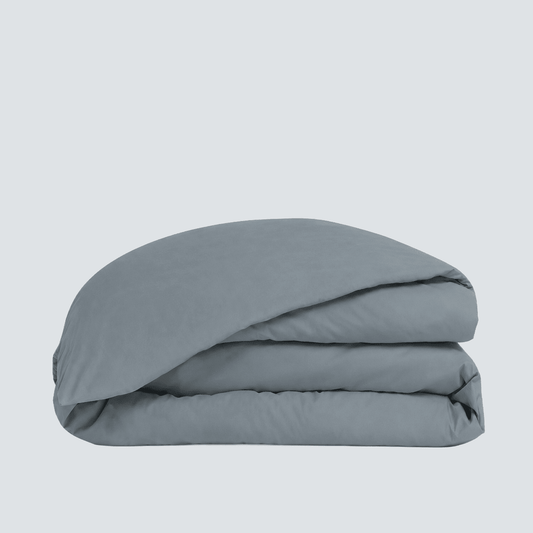
Organic Wool Comforter Set with Organic Cotton Duvet Cover
Regular price From $559.00Regular price -
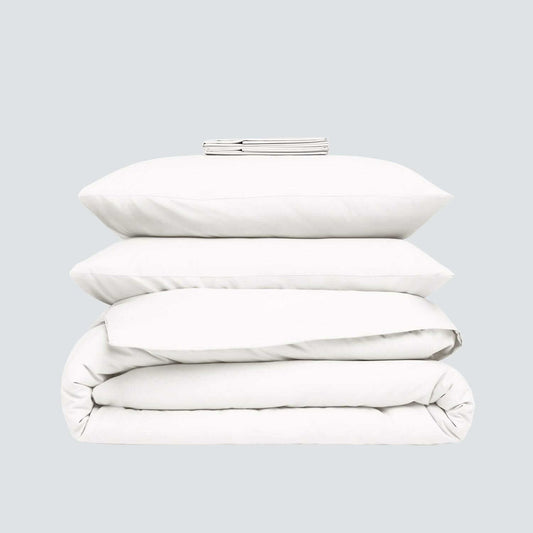
Organic Wool Bedding Set – Comforter, Duvet Cover & Sheets
Regular price From $598.40Regular price



Is Organic Bedding Still Worth Choosing?
Yes — especially compared to conventional bedding made with synthetic fibers, chemical finishes, and petroleum-based fills.
Organic cotton and organic wool are cleaner, more breathable alternatives that reduce exposure to harsh chemical processing.
But organic certification alone does not guarantee better sleep performance.
Some organic comforters still:
- trap heat
- retain humidity
- compress over time
- restrict airflow through dense construction
This is why material behavior matters as much as certification.
Why Regenerative Wool Changes the Comforter Conversation
Wool behaves differently from most bedding materials.
Unlike synthetic fills that trap heat and humidity, wool naturally helps regulate both temperature and moisture throughout the night.
It can:
- absorb moisture vapor without feeling damp
- release excess heat as body temperature rises
- retain warmth when temperatures drop
- resist dust mites and allergens naturally
When wool is grown regeneratively, those benefits are supported by stronger, more resilient fibers produced from healthier soil systems.
This makes regenerative wool especially effective for:
- hot sleepers
- night sweats
- sensitive skin
- year-round temperature regulation
When Organic Bedding Is Enough — And When It Isn’t
Organic bedding may be enough if your primary goal is:
- reducing chemical exposure
- avoiding synthetic materials
- choosing cleaner everyday bedding
Regenerative bedding becomes more compelling if you also care about:
- temperature regulation
- moisture management
- long-term durability
- environmental restoration
- fiber performance over time
Both are meaningful improvements over conventional bedding.
But regenerative bedding goes further — both environmentally and functionally.
Moving Beyond Organic
Organic bedding was an important step forward.
It reduced exposure to harmful chemicals, improved transparency, and offered a cleaner alternative to conventional bedding.
But organic isn’t the endpoint.
When it comes to sleep, how bedding performs matters just as much as how it’s produced.
Regenerative bedding builds on the foundation organic created by restoring soil health, strengthening fibers, and improving how materials regulate heat and moisture night after night.
For people seeking a more breathable, balanced, and natural sleep environment, regenerative fibers represent the next evolution in bedding.
Learn More About Regenerative & Organic Bedding
The framework above explains the difference between organic and regenerative. These guides go deeper on the specifics.
What is regenerative wool
Regenerative wool is more than a farming method — here's what it means for fiber quality, animal welfare, and why it changes what you sleep under.
→ What is regenerative wool
ZQRX wool certification explained
Not all wool certifications are equal. Here's what ZQRX actually measures, why it goes beyond organic, and what it means for the wool in your comforter.
→ ZQRX wool certification
What makes a sustainable comforter truly eco-friendly
Most sustainable comforters focus on materials. Here's why the farming system behind those materials matters just as much.
→ What makes a sustainable comforter eco-friendly
Natural fiber bedding guide
Cotton, wool, linen, bamboo — how organic and regenerative versions of each compare for sleep performance, breathability, and durability.
→ Natural fiber bedding guide
Organic cotton bedding — and why regenerative cotton goes further
What organic cotton certification covers, where it stops, and what regenerative cotton adds for fiber strength and longevity.
→ Organic cotton bedding guide
What actually makes bedding eco-friendly?
Eco-friendly bedding goes beyond surface-level sustainability claims. Explore how natural fibers, farming systems, durability, and breathable materials all shape the environmental impact of what you sleep under.
Upgrade Your Sleep with Regenerative New Zealand Bedding
Discover how regenerative wool comforters and organic cotton sheets create a cooler, drier, more balanced sleep environment — night after night.
Crafted in New Zealand using ZQ-certified regenerative Merino wool and GOTS-certified organic cotton, our bedding is designed to regulate temperature, release moisture, and support deeper, more consistent sleep.
Let customers speak for us