
Table of Contents
- Why the Bed Environment Affects Your Brain First
- Why Overheating at Night Fuels Stress and Anxiety
- Why Energy Levels Depend on What Happens While You Sleep
- Why Sleep Quality Shapes Your Immune System
- Breathing, Oxygen, and the Feel of the Air at Night
- Circulation, Recovery, and Letting the Body Truly Rest
- Skin Health Starts With Dry, Breathable Sleep
- Why Regenerative Merino Wool Is Structurally Different
- What Sleep Feels Like When the Environment Is Right
- Closing Thoughts
- FAQs on Wool Duvet Inserts, Comforters & Sustainable Bedding
Health Benefits of Merino Wool Bedding
(Why Better Sleep Starts With the Bed, Not You)
If you’re waking up tired, foggy, wired, or damp — even after a full night in bed — the problem is rarely you.
It’s the bedding.
Most bedding content talks about comfort or temperature. This page is about something deeper: why the bed environment quietly shapes your health every single night.
Most people try to fix sleep by adjusting routines, cutting caffeine, or powering down earlier. But night after night, the body is actually reacting to what’s happening inside the bed: heat buildup, trapped moisture, and restricted airflow.
Verdict:
The health benefits people associate with better sleep don’t come from hacks or habits. They come from using bedding that lets the body fully switch off.
People searching for the health benefits of merino wool bedding are usually trying to understand why it affects sleep quality, energy, recovery, and overall wellbeing differently from conventional bedding.
Why the Bed Environment Affects Your Brain First
You feel it before you can explain it.
Light sleep.
Random wake-ups.
That wired-but-tired feeling in the morning.
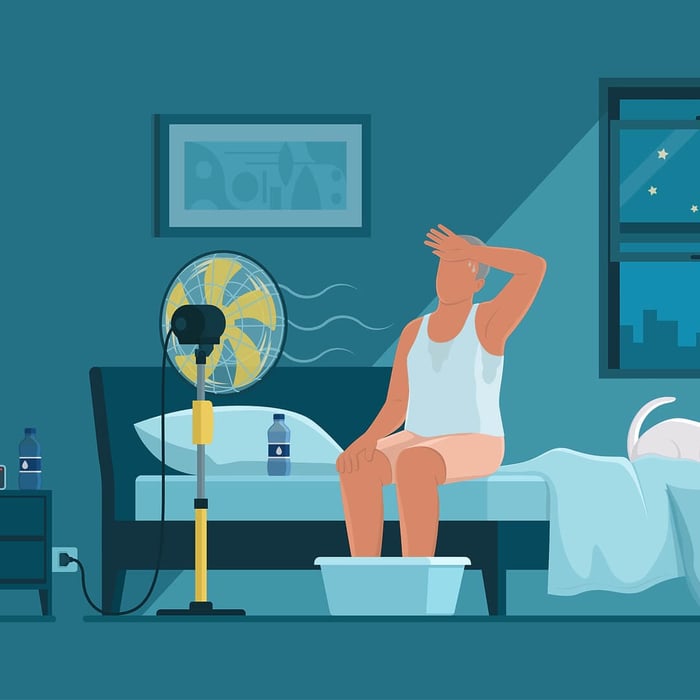
When the bed holds onto heat or moisture, the nervous system never fully relaxes. The brain stays half-alert, constantly checking whether the body is comfortable enough to stay asleep.
This is why people often wake up sweaty or restless even when the room feels cool — the problem isn’t the thermostat, it’s what’s happening inside the bed itself.
It’s not willpower.
It’s stimulation.
When the sleep surface doesn’t let heat and humidity escape, the brain never gets the signal that it’s safe to stay down.
Why Overheating at Night Fuels Stress and Anxiety
Stress doesn’t clock out when you go to bed.
Your body regulates stress hormones based on physical signals — and temperature is one of the strongest. When you overheat or feel clammy under the covers, cortisol stays elevated.
That can show up as:
Restlessness
Racing thoughts
A subtle sense of unease that’s hard to name
During sleep, your body is sealed into a closed system where heat and humidity build up, creating the sleep microclimate inside the bed.
Many people assume nighttime anxiety is emotional. Often, it’s physiological — the body working too hard to regulate itself in an environment that won’t cooperate.
If the bed keeps the nervous system activated, no amount of “relaxing” will fully work.
Why Energy Levels Depend on What Happens While You Sleep
Dragging yourself through the day — even after eight hours — is a signal.
Deep sleep is when your body restores energy, balances hormones, and repairs tissue. But when temperature spikes or moisture builds up, those deep phases get interrupted again and again.
You might not remember waking up.
But your body does.
That’s how you end up feeling flat in the morning and crashing in the afternoon — not because you didn’t sleep long enough, but because your sleep was constantly disrupted from the inside out.
Why Sleep Quality Shapes Your Immune System
While you sleep, your immune system gets to work.
But when the body is busy cooling itself down, managing irritation, or reacting to airborne particles in the bed, recovery takes a back seat.
Interrupted sleep can mean:
More frequent colds
Heightened inflammation
Slower bounce-back when you’re run down
A calmer sleep environment lowers the immune load. When your body isn’t fighting the bed, it can focus on repair instead.
Taken together, the health benefits of merino wool bedding tend to show up as deeper sleep, steadier energy, improved recovery, and fewer nighttime disruptions — all driven by how the bed manages heat and moisture.
Breathing, Oxygen, and the Feel of the Air at Night
If you wake up congested, groggy, or short of breath, airflow may be part of the story.
Warm, humid bedding creates heavier air around the head and neck. That extra resistance makes breathing less consistent — especially for people who snore, deal with sinus issues, or wake feeling unrested.
A bed that stays cooler and drier helps keep breathing steady, oxygen levels stable, and sleep cycles uninterrupted.
You don’t need perfect breathing to sleep well.
But you do need an environment that doesn’t get in the way.
Circulation, Recovery, and Letting the Body Truly Rest
Here’s something rarely talked about:
When your body struggles to stay comfortable at night, your heart and nervous system work harder to compensate.
That effort affects circulation, muscle recovery, and hormonal balance — even if you’re lying still.
A stable sleep environment:
Reduces cardiovascular load
Supports steady oxygen delivery
Allows muscles to fully relax
This is why people who train hard, live under chronic stress, or wake feeling “tight” often notice sleep improvements before anything else changes.
Skin Health Starts With Dry, Breathable Sleep
Skin repairs itself overnight — but only under the right conditions.
Warm, damp bedding increases friction and irritation. Over time, that can contribute to breakouts, itching, and flare-ups, even if your skincare routine is solid.
When the sleep surface stays dry and breathable, your skin finally gets the calm window it needs to recover.
No suffocating sheets.
No clammy wake-ups.
Just neutral, comfortable contact all night.
Why Regenerative Merino Wool Is Structurally Different
There’s wool — and then there’s regenerative Merino wool.
At a category level, regenerative wool behaves differently because it:
Regulates temperature instead of trapping it
Moves moisture away instead of holding it
Creates a stable sleep microclimate instead of forcing the body to adapt
When sourced from regenerative farms, it also supports healthier soil, stronger ecosystems, and long-term carbon balance — without relying on synthetic treatments or chemical finishes.
This isn’t about labels or trends.
It’s about material behavior — and how that behavior affects the body for seven to nine hours every night.
What Sleep Feels Like When the Environment Is Right
Fewer wake-ups
Less tossing and turning
Dry sheets in the morning
A clearer head on waking
More consistent energy through the day
Not because you tried harder to sleep — but because your body didn’t have to fight the bed anymore.
Closing Thoughts
If overheating, night sweats, restless sleep, or morning fatigue sound familiar, relief doesn’t come from lighter layers or cooling gimmicks.
It comes from choosing a sleep environment that actively manages heat and moisture, instead of trapping it.
That’s where organic regenerative wool bedding comes in — not as a trend, but as a structural shift in how the bed supports the body overnight
FAQs on Wool Duvet Inserts, Comforters & Sustainable Bedding
What makes Merino wool bedding healthier than synthetic options?
Unlike synthetic fabrics that trap heat and moisture, Merino wool bedding supports your body’s natural temperature rhythm. It’s breathable, hypoallergenic, and moisture-wicking—helping you stay cool, dry, and comfortable. This balance supports better circulation, deeper sleep, and overall sleep health.
How does regenerative wool bedding improve stress and recovery?
Because regenerative Merino wool helps regulate temperature and humidity, your nervous system stays calmer throughout the night. This minimizes cortisol spikes (the stress hormone) and encourages deeper, more restorative rest—so you wake up feeling refreshed instead of drained.
Can Merino wool bedding really boost immunity?
Yes! The cleaner, drier sleep environment created by hypoallergenic wool bedding reduces exposure to allergens and bacteria, helping your immune system function without added stress. Regenerative wool also supports longer, deeper REM cycles—the stage where your body repairs and strengthens itself.
Is wool bedding suitable for people with allergies or sensitive skin?
Absolutely. Organic Merino wool is naturally resistant to dust mites, mold, and microbes—without chemical treatments. It’s perfect for people with eczema, asthma, or sensitive skin, offering comfort that’s gentle, clean, and breathable.
How does regenerative wool bedding benefit the environment?
Every piece of regenerative Merino wool bedding comes from New Zealand farms that restore soil, protect biodiversity, and capture carbon. By choosing sustainable, biodegradable fibers over synthetics, you’re supporting farming practices that heal the planet while you sleep better.