
Table of Contents
- What Is a Down Feather Allergy?
- Why Down Feather Allergy Is More Common Than You’d Expect
- The Science: Why Down Feathers Trigger Allergies
- Signs of a Down Feather Allergy (What to Look For)
- Why Symptoms Get Worse Over Time
- Do You Have a Down Feather Allergy? Try This At-Home Test
- Down vs Hypoallergenic Bedding Options (Buyer’s Guide Section Google Loves)
- Down vs Wool vs Synthetic (Comparison Table)
- Best Hypoallergenic Bedding Options for Feather Allergy Relief
- Why Wool Works So Well for Feather Allergies (Nature Again Had the Answer)
- Final Thoughts
- FAQs on Wool Duvet Inserts, Comforters & Sustainable Bedding
TL;DR:
A down feather allergy can cause congestion, sneezing, itchy skin, watery eyes, sinus pressure, and even rash-like irritation — especially at night or first thing in the morning.
These reactions occur because feather proteins, dust mites, and feather dust irritate your airways and skin while you sleep. Below, we break down why feather allergies happen, what symptoms to look for, and the best hypoallergenic bedding alternatives for clean, restorative sleep.
You see, we tend to blame the world outside — dust, pets, pollen — but rarely the place we spend eight hours every night.
Down comforters trap heat and moisture, break into tiny particles, and create a warm environment where dust mites thrive. Symptoms often disappear during the day, so the comforter itself almost never gets blamed.
What Is a Down Feather Allergy?
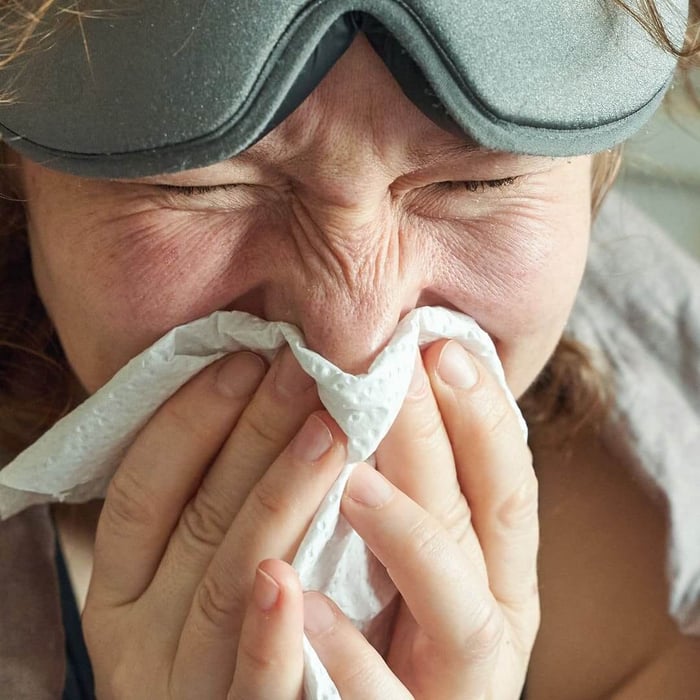
A down feather allergy is a reaction to feather proteins or the dust, mites, and particles found in down bedding. It commonly causes sneezing, congestion, itchy skin, watery eyes, coughing, sinus pressure, or morning headaches.
Symptoms are typically worse in bed or immediately after waking because allergens build up inside the comforter or pillow.
Read our hypoallergenic bedding guide
Why Down Feather Allergy Is More Common Than You’d Expect
Most people assume allergies come from pets, dust, pollen, or the weather — not their bedding. But down comforters and pillows naturally create conditions that lead to feather allergies:
Heat is trapped
Moisture accumulates
Dust collects in the filling
Feathers break into microscopic particles
Dust mites thrive in the warm, humid environment
This is why someone who never considered themselves allergic to down feathers may suddenly start reacting after years of using the same comforter or pillow.
And because symptoms fade during the day, the comforter almost never gets blamed.
For a closer look at how airflow and breathability affect comfort — including how temperature and moisture relate to irritation — see our Ultimate Guide to Cooling Bedding.
Regenerative Organic Cotton Sheet Set – Soft, Breathable & Sustainable

$189.00
Softer Sheets. Cleaner Sleep. Our organic cotton sheet set are simply better for the earth, and for your sleep. Grown on low-impact regenerative farms that actively heal the soil, our cotton is then woven and finished responsibly. This process eliminates… Read more
The Science: Why Down Feathers Trigger Allergies
A down feather allergy can occur for three distinct reasons — and you don’t need an actual “feather allergy” to react.
1. Feather Proteins (True Feather Allergy)
Some people have an immune reaction to proteins found in feathers.
Symptoms include:
sneezing
skin irritation
puffy eyes
sinus swelling
coughing
This is the classic (but less common) version of a feather allergy.
2. Feather Dust (The Hidden Trigger Most People React To)
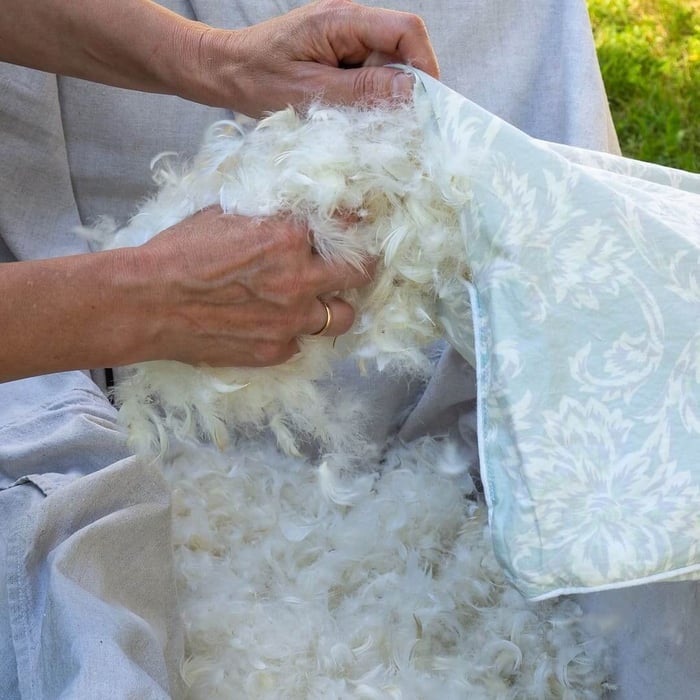
Over time, feathers break down into tiny dust-like particles.
This dust becomes airborne while you sleep, rising toward your face with warm air.
Feather dust contributes to:
nighttime sneezing
itchy or irritated eyes
tickly throat
persistent morning congestion
Many cases diagnosed as feather allergies are actually reactions to feather dust — not feather proteins.
3. Dust Mites Inside Down Bedding (The Most Common Cause)
Down traps heat and moisture, creating the #1 habitat dust mites thrive in.
Dust mite allergens can cause:
sneezing
wheezing
sinus blockage
itchy skin
coughing
increased asthma symptoms
This is why so many sleepers search for:
can you be allergic to down feathers even without history?
The answer is yes — because the allergy often develops due to long-term exposure in a warm, humid, allergen-rich environment.
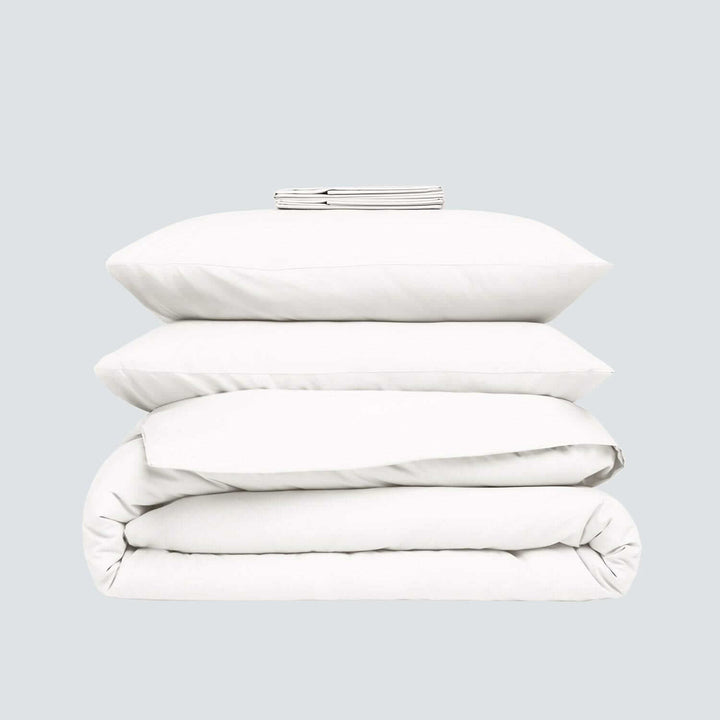
Sustainable & Regenerative Bedding Bundle | No More Night Sweats, Just Deeper Sleep
$598.40
$748.00
Cooler Nights & Deeper Sleep — Every Night Elevate your sleep with the only sustainable bundle crafted from regenerative New Zealand wool and organic cotton for true all-season comfort. These breathable, eco-friendly fibers naturally wick away heat and moisture to… Read more
Signs of a Down Feather Allergy (What to Look For)
Symptoms usually appear:
at night, or
first thing in the morning, then improve within hours
This cycle differentiates a down feather allergy from seasonal or environmental allergies.
Below are the most common feather allergy symptoms.
1. Respiratory Symptoms (The Classic Pattern)
These symptoms line up with allergies to down comforters symptoms seen across medical and allergist resources:
sudden sneezing fits when lying down
waking up congested
runny or stuffy nose
coughing at night
wheezing or chest tightness
post-nasal drip
feeling “blocked” or swollen in the sinuses
Because feather dust and mite allergens rise with warm air, respiratory reactions are extremely common.
2. Eye & Sinus Symptoms (Often Misdiagnosed)
Many sleepers think these are caused by dry air — but they’re classic signs of down feather allergy:
watery or irritated eyes
swollen eyelids
morning headaches
sinus pressure or heaviness
facial puffiness
foggy morning feeling
If your eyes feel normal during the day but irritated in bed, it’s almost always your bedding.
3. Skin Symptoms (Especially for Hot Sleepers)
Down doesn’t just irritate airways — it can irritate skin.
Common feather allergy symptoms include:
itchy skin when under the comforter
irritation on chest, arms, or neck
prickly or “crawly” sensations
eczema flare-ups
tiny bumps that fade by midday
Down + humidity = irritation.
4. Down Feather Allergy Rash (Frequently Overlooked)
A “down feather allergy rash” can appear as:
small raised bumps
redness where the comforter touches skin
flushed or irritated chest
patches of itchy, warm skin
It’s often mistaken for detergent sensitivity — but if washing doesn’t help, the comforter is likely responsible.
5. Nighttime Overheating (The Symptom That Leads to Everything Else)
Before we get into the specifics, there’s one pattern nearly every sensitive sleeper shares — and it makes every other symptom worse.
Warmth + moisture =
✨ more feather breakdown
✨ more dust mites
✨ more allergic reactions
Down traps heat by design.
Your body overheats → sweats → moisture builds → allergens multiply.
This is why hot sleepers react most intensely to down bedding.
Why Symptoms Get Worse Over Time
A feather allergy rarely shows up immediately.
Instead, your comforter:
compresses
collects moisture
accumulates dust
sheds particles
gains more mites
This progressive change explains delayed allergies and why people suddenly develop down feather allergy symptoms after months or years.
Organic Wool Duvet Insert & Bedding Set | Sustainable & Regenerative | Made in New Zealand

$475.15
$559.00
Cooler Nights & Deeper Sleep — All Year Long Looking for the perfect organic wool duvet insert and wool bedding set? This complete bundle includes both the duvet insert and cover. (The insert uses the same breathable, temperature-regulating design as… Read more
Do You Have a Down Feather Allergy? Try This At-Home Test
Doctors use skin-prick tests, but the simpler diagnostic tool is the one-night bedding elimination test:
Night 1:
Remove all down bedding — comforter, pillow, topper.
Night 2:
Reintroduce the items one by one.
If symptoms disappear then return?
You’ve found the cause.
This is highly accurate because the timing of symptoms is so distinct.
Down vs Hypoallergenic Bedding Options (Buyer’s Guide Section Google Loves)
When you’re dealing with a down feather allergy, the fastest relief usually comes from switching your bedding fill — but not all “hypoallergenic bedding” options work the same.
Here’s how the most common fills compare.
For sleepers who experience irritation or allergy symptoms at night, our Hypoallergenic Bedding Collection features materials selected for reduced irritants and breathable comfort.
Down vs Wool vs Synthetic (Comparison Table)
| Feature | Down | Synthetic Down Alternative | Wool |
|---|---|---|---|
| Breathability | Low | Medium | High |
| Heat Behavior | Traps heat | Mixed | Regulates naturally |
| Moisture Control | Poor | Fair | Excellent |
| Dust Mite Resistance | Poor | Fair | Strong |
| Breaks Into Dust | Yes | Sometimes | No |
| Hypoallergenic | No | Partially | Yes |
| Best for Allergy Sufferers | ❌ | ⚠️ | ✅ |
Wool is the only fill that solves all three root causes of down feather reactions:
no feather proteins
no feather dust
no damp environment for mites
Best Hypoallergenic Bedding Options for Feather Allergy Relief
Once you remove feathers from the equation, your body can finally settle into a calmer sleep environment. These hypoallergenic bedding options work with your biology — not against it — to ease irritation and restore deeper rest.
1. Wool Comforters (Best Overall)
Wool is naturally:
hypoallergenic
breathable
temperature-regulating
moisture-wicking
dust-mite-resistant
Our regenerative New Zealand wool comforter aligns perfectly with what allergy sufferers need: warmth without inflammation.
If you’re considering a natural alternative to down that’s breathable and balanced, explore our Wool Comforter Collection for options engineered for broader comfort and reduced allergen issues.
Organic Wool Comforter | Made in New Zealand, Breathable All-Season Comfort

$342.00
$380.00
Sleep naturally better with our organic wool comforter Unlike down or synthetic comforters that trap heat, our spun wool design wicks away moisture and prevents overheating, so you stay cool & dry. Designed for deeper sleep with a gentle weight… Read more
2. Organic Cotton-Filled Comforters
Good for sensitive skin, but may feel:
heavier
less insulating
less moisture-balanced
Better than down, but not ideal for hot sleepers or humid environments.
3. Down Alternative (Polyester) Comforters
Remove feathers entirely, which helps.
However:
may accumulate dust over time
A temporary solution — not a long-term fix.
Why Wool Works So Well for Feather Allergies (Nature Again Had the Answer)
Wool’s unique structure allows it to:
stay dry inside the fill
create an inhospitable environment for dust mites
It doesn’t fight your body.
It follows it.
That’s why switching from down to wool often results in immediate relief from:
sinus pressure
congestion
itching
rashes
overheating
morning fogginess
The body finally gets clean, balanced air — and deeper, restorative sleep follows.
Final Thoughts
Feather allergies are frustrating, but they’re also fixable.
When you switch from down to natural, hypoallergenic materials that regulate heat and moisture, your body settles back into the environment it was designed for.
Cooler nights, clearer breathing, deeper sleep — sometimes nature really does have the answer.
Explore Our Hypoallergenic & Allergy-Friendly Bedding Collection
FAQs on Wool Duvet Inserts, Comforters & Sustainable Bedding
Can a down feather allergy suddenly develop even if I’ve used down for years?
Yes. A down feather allergy can develop over time, even in adults who previously slept comfortably with down bedding. As feathers break down, they release more dust, proteins, and tiny particles that your immune system may begin reacting to. Sensitivity also increases when your bedding traps heat and moisture — a common issue with down — because dust mites thrive in warm, humid environments.
What are the most common symptoms of a down feather allergy at night?
People typically experience congestion, sneezing, runny nose, itchy or watery eyes, coughing, and morning headaches. Some also notice skin irritation, itching, or a rash on areas that touch the bedding. These symptoms are strongest at night or when waking up because that’s when feather proteins and dust mites are closest to your face.
How can I tell if my symptoms are caused by down feathers or something else?
A helpful test is to sleep away from feather-filled bedding for 2–3 nights. If symptoms improve noticeably, that’s a strong indicator of a feather allergy. You can also check for clues like: increased congestion when fluffing your comforter, itching around your neck or chest, or visible feather dust in the air when making the bed. Allergists can also run skin-prick or IgE tests to confirm sensitivity to bird-feather proteins.
Are synthetic “down alternative” comforters a good option for people with feather allergies?
They’re better than feather-filled bedding, but they’re not perfect. Synthetic down alternatives don’t contain feathers, but they can still trap heat and moisture — the same conditions that aggravate allergy symptoms. They also break down over time, releasing microfibers that can irritate sensitive sinuses or skin. They’re a step up from down, but not the best long-term solution.
What bedding materials are safest for someone with a down feather allergy?
The best options are those that stay cool, dry, and naturally hypoallergenic. Wool comforters, especially those made with regenerative New Zealand wool, are ideal because wool regulates temperature, resists dust mites, prevents moisture buildup, and doesn’t break into allergenic particles. Organic cotton shells and breathable bedding layers also support a cleaner sleep environment.
What actually causes a down feather allergy, and why do symptoms get worse at night?
A down feather allergy happens when your immune system reacts to the proteins found in bird feathers and to the dust, mites, and microscopic particles that accumulate inside feather-filled bedding. Over time, feathers break into fine dust that becomes airborne whenever you move under the comforter, leading to classic feather allergy symptoms: sneezing, nasal congestion, coughing, watery eyes, itching, and shortness of breath.
Symptoms get worse at night for two reasons:
Heat + moisture amplify allergens. Down traps warmth around your body, causing sweating. Moisture accelerates feather breakdown and increases dust mite activity, which intensifies reactions for anyone who is allergic to down feathers.
Prolonged exposure while sleeping. Your face remains close to the comforter for hours, increasing inhalation of feather dust. This is why many people report allergies to down comforters symptoms like morning congestion, sore throat, or puffy eyes.
Switching to hypoallergenic bedding — especially breathable, moisture-wicking materials like natural wool — reduces exposure to feather allergens, stabilizes temperature, and helps break the nightly cycle of irritation.