

Table of Contents
- Why Do Allergies Hit So Hard at Night?
- The Real Root Causes of Nighttime Allergies (And Where to Fix Them First)
- The Real Bedroom Triggers Most People Never Think About
- So Why Does Switching Bedding Help So Much?
- Simple Fixes That Make Allergies When Sleeping Dramatically Improve
- When Should You Replace Your Bedding?
- The Transformation People Notice Most
- Key Takeaways
- Closing Thoughts
- FAQs on Wool Duvet Inserts, Comforters & Sustainable Bedding
TL;DR: If you’re battling allergies when sleeping, it’s almost never random. It’s your bedroom—your airflow, your bedding, your dust patterns, even your nighttime microclimate—working against you. The shift happens when you rebuild your sleep environment so your body can finally rest instead of react.
When you finally understand what’s triggering your allergies when sleeping, it becomes so much easier to create a bedroom that actually supports your body instead of overwhelming it.
Why Do Allergies Hit So Hard at Night?
It always feels a little unfair, right?
You’re fine all day…
Then the moment you lie down, your nose stuffs up, your eyes water, your throat gets irritated, or your skin starts itching.
Here’s the truth most people don’t hear:
Nighttime allergy symptoms are environmental.
Not mysterious. Not “just how your body works.”
Your bedroom becomes a concentrated space where allergens settle, stick, and stay—right where you breathe for 7–9 hours straight.
That’s why allergies when sleeping feel so intense. You’re not moving. Air isn’t moving. Everything you’re sensitive to is suddenly inches from your face.
Since overheating often overlaps with allergy flare-ups, this explainer on what causes night sweats at night helps you understand how humidity and trapped heat affect your breathing and skin.
The Real Root Causes of Nighttime Allergies (And Where to Fix Them First)
Most nighttime allergy symptoms don’t come from the air alone — they come from what allergens settle on and how close they sit to your face for 7–9 hours straight.
Mattresses and pillows are the biggest culprits, followed by bedding layers, carpets, and upholstered furniture. Dust mites, for example, thrive in warm, humid fabrics and are found in far higher concentrations in mattresses and duvets than on hard surfaces.
That’s why allergy symptoms often worsen at night even when daytime exposure feels manageable.
The good news is that the most effective fixes are also the most targeted. Start where allergen load is highest and intervention matters most.
Bedding first: Wash sheets weekly in hot water, avoid synthetic fills, and choose naturally breathable materials that don’t trap moisture.
Mattress environment: Use allergen-proof covers and keep bedroom humidity below 50% to limit dust-mite growth.
Airflow next: Improve ventilation and filtration, but treat it as support — not the primary solution.
Detergents & finishes: Eliminate fragranced detergents and fabric treatments that leave residue close to the skin and airways.
By focusing on surfaces, materials, and proximity, rather than chasing every possible trigger, you reduce allergen exposure where it actually impacts sleep — at the source, not just in the room.
See Our Definitive Guide on Hypoallergenic & Allergy-Friendly Bedding
The Real Bedroom Triggers Most People Never Think About
Once you see these, it’s hard to unsee them.
Most people don’t realize how quickly allergies when sleeping improve once the room is cooler, clearer, and filled with materials that don’t trap moisture or irritants.
1. Your Bedding Might Be the Biggest Culprit
Down, microfiber, polyester—they all have one thing in common:
They trap moisture. They trap heat. And they give dust mites exactly what they need to thrive.
If you wake up:
stuffy
overheated
itchy
or with a dry, irritated throat
…it’s often your comforter or pillow filling causing more trouble than you’d ever expect.
This is why so many people describe a transformation after switching to natural fibers. They breathe. They wick moisture. They don’t become a warm, humid pocket of trapped allergens.
The difference is night and day.
If you want to understand why natural fibers actually reduce nighttime reactions, this guide to hypoallergenic wool bedding explains how wool resists dust mites without chemicals.
For sleepers who experience irritation at night, our Hypoallergenic Bedding Collection brings together materials selected for reduced irritants, breathable comfort, and gentle handling of skin sensitivities.
Organic Wool Comforter | Made in New Zealand, Breathable All-Season Comfort

$342.00
$380.00
Sleep naturally better with our organic wool comforter Unlike down or synthetic comforters that trap heat, our spun wool design wicks away moisture and prevents overheating, so you stay cool & dry. Designed for deeper sleep with a gentle weight… Read more
2. Dust Settles Where You Sleep
Even tidy bedrooms accumulate dust faster than you’d think.
It hides in:
curtains
carpets
mattress seams
upholstered headboards
lampshades
nightstands
Every time you shift in bed, you stir some of it into the air.
And then… you breathe it in.
If you’ve ever woken up with sinus pressure or that “why do I feel inflamed?” feeling, dust is very often the reason.
If skin irritation is part of your nighttime symptoms, this breakdown of why bedding causes itching uncovers the common fabric and moisture issues behind those reactions.
If chemical exposure or fabric finishes are part of your allergy triggers, our Non-Toxic Bedding Collection includes options made without harsh treatments or synthetic additives.
3. Stale Air Makes Everything Worse
Most bedrooms stay sealed at night — doors closed, windows shut, AC recycling the same air.
When air sits still, allergens concentrate.
Humidity rises.
Dust mites multiply.
Your airways react.
This is why some people feel instantly clearer in hotel rooms, cabins, or bedrooms with better airflow. It’s not placebo — it’s ventilation.
To see how the right bedding can actually improve your air quality, this piece on wool bedding that cleans indoor air breaks down the science behind wool’s ability to absorb VOCs naturally.
Regenerative Organic Cotton Sheet Set – Soft, Breathable & Sustainable

$189.00
Softer Sheets. Cleaner Sleep. Our organic cotton sheet set are simply better for the earth, and for your sleep. Grown on low-impact regenerative farms that actively heal the soil, our cotton is then woven and finished responsibly. This process eliminates… Read more
4. Pets (Yes, Even the Hypoallergenic Ones)
We love them.
We cuddle them.
We let them sleep on our pillows.
And their dander settles into your bedding, your mattress, and the fabric around your head.
Most people aren’t allergic to their pets.
They’re allergic to their bedroom environment after months or years of buildup.
If you’re exploring cleaner bedding options, this overview of hypoallergenic bedding benefits shows how natural fibers help calm irritation and support clearer breathing at night.
5. The Wrong Cleaning Products
Here’s the twist:
Many “fresh-smelling” detergents, sprays, and softeners leave behind chemical residue that irritates airways and skin at night.
Your room smells clean…
But your sinuses feel the opposite.
If your skin or sinuses flare up with certain detergents or fabrics, this article on chemical-free bedding for allergies walks through how synthetics leave behind irritants that linger in your sleep space.
So Why Does Switching Bedding Help So Much?
Because bedding sits against your face and skin for hours, the materials matter more than anything else in the room.
Here’s what natural fibers do that synthetics and down simply can’t:
They breathe.
Air flows through instead of trapping humidity.They balance temperature.
You stay warm without overheating — which prevents inflammation.They wick moisture.
Dust mites can’t thrive without humidity.They’re naturally hypoallergenic.
No chemical coatings. No synthetic irritants.
People don’t expect bedding to change their symptoms.
And then… suddenly their nights feel calmer. Their breathing eases.
They wake up clear for the first time in years.
That’s the transformation.
For anyone wondering whether their symptoms trace back to their comforter, this breakdown of being allergic to down comforters shows how feather fill traps moisture and triggers nighttime congestion.
For strategies on airflow, temperature balance, and moisture management — all of which can reduce irritation and improve comfort — check out our Ultimate Guide to Cooling Bedding.
Organic Wool Duvet Insert & Bedding Set | Sustainable & Regenerative | Made in New Zealand

$475.15
$559.00
Cooler Nights & Deeper Sleep — All Year Long Looking for the perfect organic wool duvet insert and wool bedding set? This complete bundle includes both the duvet insert and cover. (The insert uses the same breathable, temperature-regulating design as… Read more
Simple Fixes That Make Allergies When Sleeping Dramatically Improve
Small changes to your bedding and airflow can dramatically reduce allergies when sleeping, giving your body the calm, irritation-free rest it’s been missing.
You don’t need a remodel.
Just a cleaner micro-environment.
Refresh Your Bedding
Old pillows and down comforters collect dust, moisture, and dander you can’t wash out.
Switching to breathable materials—especially wool and organic cotton—removes most of the triggers in one go.
If you’re looking for safer bedding materials, this guide to the best down alternative for allergies shows why wool offers cleaner airflow and fewer irritants than feather or polyester fill.
To explore how different bedding standards affect material purity and comfort, our Organic vs Regenerative Bedding Guide breaks down what each certification guarantees and why that matters for sensitive sleepers.
Improve Your Airflow
Crack a window.
Run an air purifier.
Clean filters.
It’s surprising how fast symptoms ease when the air actually moves.
If heat and moisture are making your symptoms worse, check out our Hot Sleepers Collection — it focuses on bedding designed to enhance breathability and reduce night-sweat discomfort.
Reduce Dust Where It Matters
Focus on the zones closest to your head:
curtains
the top of your nightstand
the edge of your mattress
the headboard
These hold onto far more allergens than floors do.
Keep Pets Off the Bed (Even If They Give You the Look)
This one is painful but effective.
Even grooming them more often helps.
Simplify Your Detergents
Fragrance-free is the safest choice.
And skip dryer sheets—they coat your bedding in chemicals that irritate skin and airways.
If you’ve ever wondered why allergies get worse at night, this deeper explainer covers the hidden triggers most people overlook — from humidity changes to micro-dust patterns.
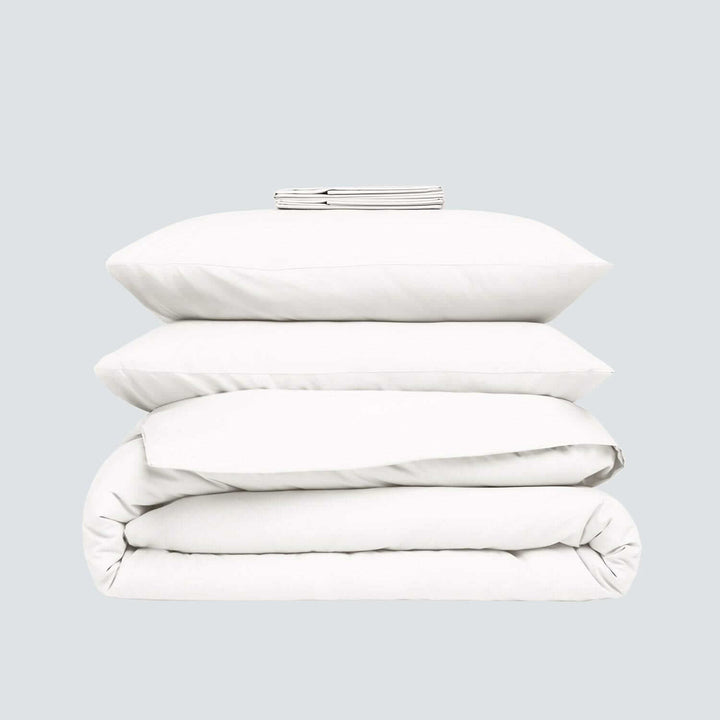
Sustainable & Regenerative Bedding Bundle | No More Night Sweats, Just Deeper Sleep
$598.40
$748.00
Cooler Nights & Deeper Sleep — Every Night Elevate your sleep with the only sustainable bundle crafted from regenerative New Zealand wool and organic cotton for true all-season comfort. These breathable, eco-friendly fibers naturally wick away heat and moisture to… Read more
When Should You Replace Your Bedding?
Your bedding doesn’t have to look “old” to be affecting your sleep.
It’s time to upgrade when:
you wake congested or puffy
your pillow never feels fully fresh
your comforter feels heavy or damp
your symptoms improve when you travel
These are classic signs of allergen buildup.
Many allergy sufferers actually react to heat and humidity, and this deep dive into synthetic comforters and night sweats shows why plastic-based fills trap the exact conditions that worsen allergies.
The Transformation People Notice Most
Once you remove the major triggers — dust, stale air, moisture-trapping materials — something shifts.
You breathe easier.
You sleep deeper.
You stop waking up irritated or congested.
Your immune system finally gets a break.
This is why upgrading to natural, breathable bedding feels like a “reset button” for so many allergy sufferers. It’s not a luxury. It’s a relief.
If overheating makes your symptoms worse, this guide to moisture-wicking wool bedding explains how wool moves moisture away from your body before it becomes an irritant.
Key Takeaways
Allergies when sleeping come from your environment — especially bedding, dust, airflow, and pets.
Down and synthetic bedding trap the exact things that trigger reactions.
Natural fibers like wool and organic cotton create a cleaner, calmer sleep space.
You don’t have to overhaul your bedroom — just remove the friction points.
If you want the science behind why natural fibers calm your sleep environment, this article on wool thermoregulation shows how wool stabilizes your temperature and keeps allergens from thriving.
Closing Thoughts
At the end of the day, your bedroom should feel like a refuge — not a place where your body goes into defense mode. When you remove the hidden triggers and switch to materials that actually work with your biology, everything changes.
Breathing eases. Sleep deepens. You wake up clear instead of congested.
And that’s the real shift people notice when they finally address allergies when sleeping at the source: a calmer environment, a healthier microclimate, and a night that feels like it’s giving back instead of taking away.
Explore Our Hypoallergenic & Allergy-Friendly Bedding Collection
FAQs on Wool Duvet Inserts, Comforters & Sustainable Bedding
Why do my allergies always seem worse at night even if I feel fine during the day?
Because nighttime is when several triggers collide at once — stagnant air, close proximity to dust and dander, and bedding that’s been collecting moisture and allergens for months or years. As you lie down, your airways are suddenly inches from the source, and airflow slows. This combination makes allergies when sleeping feel more intense than daytime symptoms.
Can my pillow or comforter really be causing congestion or irritation?
Absolutely. Down, microfiber, and polyester comforters trap humidity, which dust mites love. Pillows lose structure over time and start holding onto sweat, skin oils, and dander. If you wake up congested, puffy, or itchy, old or synthetic bedding is often the primary driver — especially when allergies when sleeping are a recurring issue.
Does ventilation actually make a difference for nighttime allergies?
Yes — sometimes more than people expect. Bedrooms often stay sealed for hours, which lets irritants accumulate right where you breathe. Cracking a window, running an air purifier, or cleaning HVAC filters regularly can reduce airborne irritants and help prevent allergies when sleeping from flaring up.
How do pets make nighttime allergies worse even if I’m not technically allergic to them?
Pet dander sticks to everything — bedding, carpets, curtains, clothing. When pets sleep where you do, that dander embeds deeply into soft surfaces. You don’t need a formal pet allergy to react to constant, close-range exposure at night, especially if you already struggle with allergies when sleeping or sinus sensitivity.
What type of bedding is best if I have allergies at night?
Look for natural fibers that regulate temperature, wick moisture, and don’t rely on chemical treatments. Wool and organic cotton excel at keeping your sleep environment dry, breathable, and inhospitable to allergens. These materials offer consistent relief for people suffering from allergies when sleeping, because they manage the microclimate that dust mites and irritants depend on.
How can I tell if my bedroom setup is the real cause of my allergies when sleeping, and what changes actually make the biggest difference?
Start with the symptoms: morning congestion, irritated eyes, dry or itchy skin, waking up overheated, or feeling inflamed the moment you lie down. These are classic signs that your sleep environment — not your immune system — is overwhelmed. Down and synthetic comforters trap moisture, leading to thriving dust mites. Old pillows hold onto sweat and dander, even when washed. Poor ventilation lets irritants collect in the air around your face. And if your pet sleeps near your pillow? That adds another layer of allergens you may not even notice.
The biggest improvements come from small but strategic changes. Replace moisture-trapping bedding with breathable natural fibers like wool and organic cotton; these maintain a dry, stable microclimate that dust mites can’t tolerate. Wash pillowcases and sheets weekly. Vacuum the areas closest to your headboard. Crack a window or run an air purifier to keep air moving. And if possible, keep pets off the bed to reduce dander buildup. Most people see a dramatic shift in allergies when sleeping once they remove these hidden triggers and rebuild a cleaner, more breathable sleep space.