

If you’re worried about how to wash a wool comforter without damaging it, the answer is usually that you don’t need to wash it at all.
Most people assume owning a premium wool comforter means constant dry-cleaning, delicate handling, or the risk of ruining it in one wrong wash.
The reality is the opposite.
Wool is a high-performance, self-maintaining fiber. Because it naturally resists odor, bacteria, and moisture buildup, a wool comforter doesn’t need to be washed the way synthetic or down bedding does.
In fact, most wool comforters stay clean because they’re rarely washed at all.
This guide explains how wool actually stays fresh, when washing is truly necessary (rarely), and why wool comforters are easier to live with — and longer-lasting — than most modern bedding.
The 10-Second Verdict (Read This First)
You don’t wash a wool comforter like you wash a synthetic one.
You refresh it.
With proper care, a wool comforter stays fresh for years and can last for decades — without frequent washing, dryers, or chemicals.
If you’re wondering how to wash a wool comforter without shrinking it, damaging the fibers, or ruining its performance, the reassuring answer is that most wool comforters don’t need traditional washing at all.
Wool stays clean because it manages moisture naturally — which is why refreshing, not washing, is usually the right approach.
Why Wool Comforters Stay Clean Without Constant Washing
Wool behaves differently once it’s on your bed.
Each wool fiber is naturally antimicrobial and moisture-regulating. Instead of trapping sweat and oils against the fabric (like synthetics), wool absorbs moisture as vapor — up to 35% of its own weight without feeling wet — and releases it back into the air before odor or bacteria can form, according to Woolmark research on wool's odour resistance.
That means:
Odors don’t build up easily
Bacteria struggles to survive
Moisture doesn’t linger inside the comforter
Frequent washing isn’t required to stay hygienic
This same antimicrobial, moisture-resistant quality is also why wool naturally resists dust mites and other allergens — see our guide to wool and dust mites for more on how this works.
This is why wool has been trusted for centuries in bedding, clothing, and insulation designed for daily use and long lifespans — not disposable comfort.
Organic Wool Comforter – All-Season Merino Duvet Insert
$342.00
$380.00
A wool comforter made for hot sleepers who want a natural way to sleep cooler. Ordinary comforters can trap heat and moisture, leaving your bed hot and damp. This organic wool comforter uses breathable, spun New Zealand merino wool to… Explore Our Wool Comforters

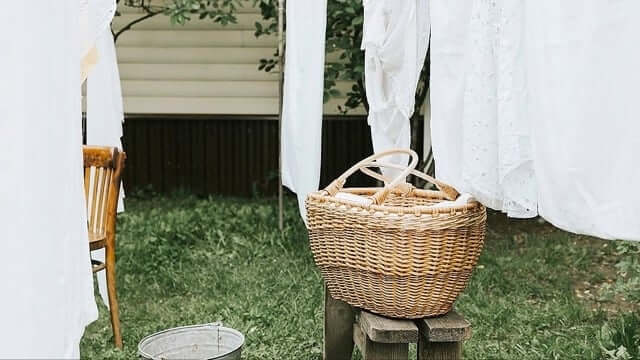
The “Sun-Wash”: Nature’s Best Cleaning Method
The most effective way to clean a wool comforter isn’t a washing machine.
It’s fresh air and sunlight.
Wool fibers are naturally desiccant, meaning they stay dry. When you hang your comforter outside or near a sunny window for a few hours, three things happen at once:
UV light naturally neutralizes bacteria
Fresh air releases trapped moisture vapor
Wool fibers re-expand, restoring loft and softness
This process — often called a sun-wash — refreshes a wool comforter without water, detergent, or agitation.
Why the Sun-Wash Is Better Than a Machine
Zero risk: No shrinkage or felting
Restores loft: Fibers “breathe” and rebound naturally
Odor elimination: UV light neutralizes organic smells
For most owners, this is all the care a wool comforter needs on a regular basis.
When You Actually Need to Wash a Wool Comforter
(The Exception, Not the Rule)
Washing a wool comforter should be rare.
You may need to wash if:
A large spill penetrates the comforter
It’s been exposed to heavy contamination
Several years of use have passed and the care label permits washing
Spot Cleaning (First Line of Defense)
- Blot the stain gently with a clean, damp cloth.
- Apply a small amount of wool-safe, pH-neutral detergent if needed.
- Rinse with cool water and allow the comforter to air dry completely.
If You Must Use a Washing Machine
- Check the care label to confirm machine washing is permitted.
- Use cold or lukewarm water.
- Select a delicate or wool cycle.
- Use a detergent specifically formulated for wool.
- Never use bleach, fabric softeners, or hot water.
Professional Dry Cleaning
For deep cleaning after years of use, organic dry cleaning is a safe option. It preserves the internal structure of the wool without the agitation and heat of a home machine.
Heat and agitation can cause wool to felt — becoming dense and stiff — which permanently reduces performance.
Drying Wool Comforters: Why Air Is Always Better
Machine dryers are the fastest way to damage wool.
Even low heat can:
Shrink fibers
Reduce loft
Compromise breathability
Best practice:
Air-dry in a well-ventilated space
Lay flat or hang evenly supported
Gently reshape while drying
Allow time — wool dries slowly but safely
Patience preserves performance.
Organic Wool Comforter – All-Season Merino Duvet Insert
$342.00
$380.00
A wool comforter made for hot sleepers who want a natural way to sleep cooler. Ordinary comforters can trap heat and moisture, leaving your bed hot and damp. This organic wool comforter uses breathable, spun New Zealand merino wool to… Explore Our Wool Comforters
Why Wool Comforters Last So Long
A properly cared-for wool comforter can last 10–25 years.
That longevity comes from:
Fibers that rebound naturally
Resistance to odor and bacterial breakdown
Reduced need for washing
Stable loft that doesn’t collapse with moisture
Synthetic comforters degrade because repeated washing breaks down plastic fibers. Down comforters lose performance as feathers fracture and clump.
Wool maintains structure because it doesn’t rely on washing to stay clean.
A Wool Comforter Designed to Stay Clean — Naturally
Our Organic Wool Comforter is made with breathable, regenerative New Zealand wool that refreshes itself with air and sunlight — not constant washing. It’s designed to stay fresh, resist odor, and maintain loft for decades with minimal care.
👉 Shop the Organic Regenerative Collection
Organic Wool Comforter – All-Season Merino Duvet Insert
$342.00
$380.00
A wool comforter made for hot sleepers who want a natural way to sleep cooler. Ordinary comforters can trap heat and moisture, leaving your bed hot and damp. This organic wool comforter uses breathable, spun New Zealand merino wool to… Explore Our Wool Comforters
Why we like it:
Naturally antimicrobial — no chemical treatments needed
Rarely needs washing thanks to moisture-regulating wool fibers
Built to last 10–25 years without flattening or clumping
Ownership Ease vs. Synthetic Maintenance
| Feature | Synthetic Comforters | Wool Comforters |
|---|---|---|
| Washing frequency | Often (traps oils & odor) | Rarely (naturally antimicrobial) |
| Self-refreshing | No | Yes (Sun-Wash compatible) |
| Odor retention | High | Low |
| Dryer required | Yes | No |
| Typical lifespan | 2–3 years | Up to 25 years |
The result: less work, fewer replacements, and a more stable sleep environment over time.
Why This Matters Before You Buy
Many people hesitate to buy a wool comforter because they assume it’s delicate or high-maintenance.
In reality, wool is easier to live with than most modern bedding.
You don’t need:
Weekly washing
Dryer cycles
Chemical deodorizers
Frequent replacements
You need:
Occasional airing
Rare spot cleaning
Time
That’s it.
A Wool Comforter Designed for Low Maintenance
Not all wool comforters perform the same.
Dense, flat-packed wool can still trap moisture if airflow is restricted. A well-designed wool comforter maintains internal air circulation so moisture can escape easily, preserving freshness and loft with minimal care.
This is where structure matters as much as material — see our guide to wool comforter fill, weight, and construction for how GSM and build affect airflow.
FAQs About Caring for a Wool Comforter
How often should you wash a wool comforter?
Rarely. Most owners air it regularly and wash only once every few years, if at all.
How do you wash a wool comforter safely?
Most people searching how to wash a wool comforter are surprised to learn that regular machine washing isn’t recommended or necessary. Spot cleaning, occasional airing, and the Sun-Wash method keep wool fresh far longer than frequent washing ever could.
Does wool bedding smell over time?
Quality wool resists odor naturally. Airing usually resolves any scent.
Is wool bedding good for hot sleepers?
Yes. Wool releases moisture and regulates temperature, which helps reduce the overheating and clamminess that contribute to night sweats — though wool manages the sleep environment rather than treating an underlying medical cause of sweating.
Can you dry-clean a wool comforter?
Yes. Organic dry cleaning is a safe option when deep cleaning is required.
The Real Takeaway
Wool comforters aren’t high-maintenance — they’re low-intervention.
They stay clean because they manage moisture naturally.
They last longer because they don’t rely on washing to function.
They perform better because their structure stays intact over time.
If you’re looking for bedding that supports long-term comfort without constant upkeep, wool isn’t the risky choice — it’s the reliable one.
Ready for low-maintenance comfort that lasts?
Explore our organic, regenerative wool comforters — designed to stay fresh, breathable, and resilient for decades with minimal care.
👉 Shop the Organic Regenerative Collection Shop Our Organic Wool Comforter
Frequently Asked Questions
Can I wash my wool duvet in the washing machine?
It depends on the product. Some wool duvets are machine washable on a gentle, cold cycle, but many should be spot-cleaned or dry-cleaned. Always check the care label before washing.
How often should I clean my wool duvet?
Unlike synthetic bedding, wool naturally resists odors and bacteria, so it doesn’t need frequent washing. Airing it outside in fresh air every few months is usually enough. A deep clean may only be needed once every 1–2 years.
What’s the best way to remove stains from a wool duvet?
Blot the stain gently with a damp cloth and mild wool-safe detergent. Avoid scrubbing or using hot water, as this can shrink or damage the wool fibers.
Can I put a wool duvet in the dryer?
No. High heat can shrink or damage wool. Instead, lay the duvet flat to dry or hang it in a well-ventilated space. Sunlight is also great for naturally freshening wool.
How long will a wool duvet last with proper care?
A high-quality wool duvet can last 10–15 years or more when properly cared for. Regular airing and gentle cleaning will help maintain its loft, comfort, and temperature-regulating properties.