









Why New Zealand Wool Makes the Best Bedding

Why Your Bed Overheats at Night

You’ve tried everything.

Cold pillow.

One leg out.

AC turned into a wind tunnel.

And yet you still wake up at 3:00 a.m. overheating — not just warm, but wired.

For hot sleepers, the real issue usually isn’t temperature.

It’s heat + humidity inside your bed.

That’s your sleep microclimate: the thin layer of air trapped between your skin and your bedding. If it can’t vent heat and moisture vapor, your body can’t downshift into deep sleep.

This guide explains the mechanics behind hot sleep, what materials actually manage moisture vapor, and how to build a cooling bed system that works for the full night — not just the first 60 seconds.

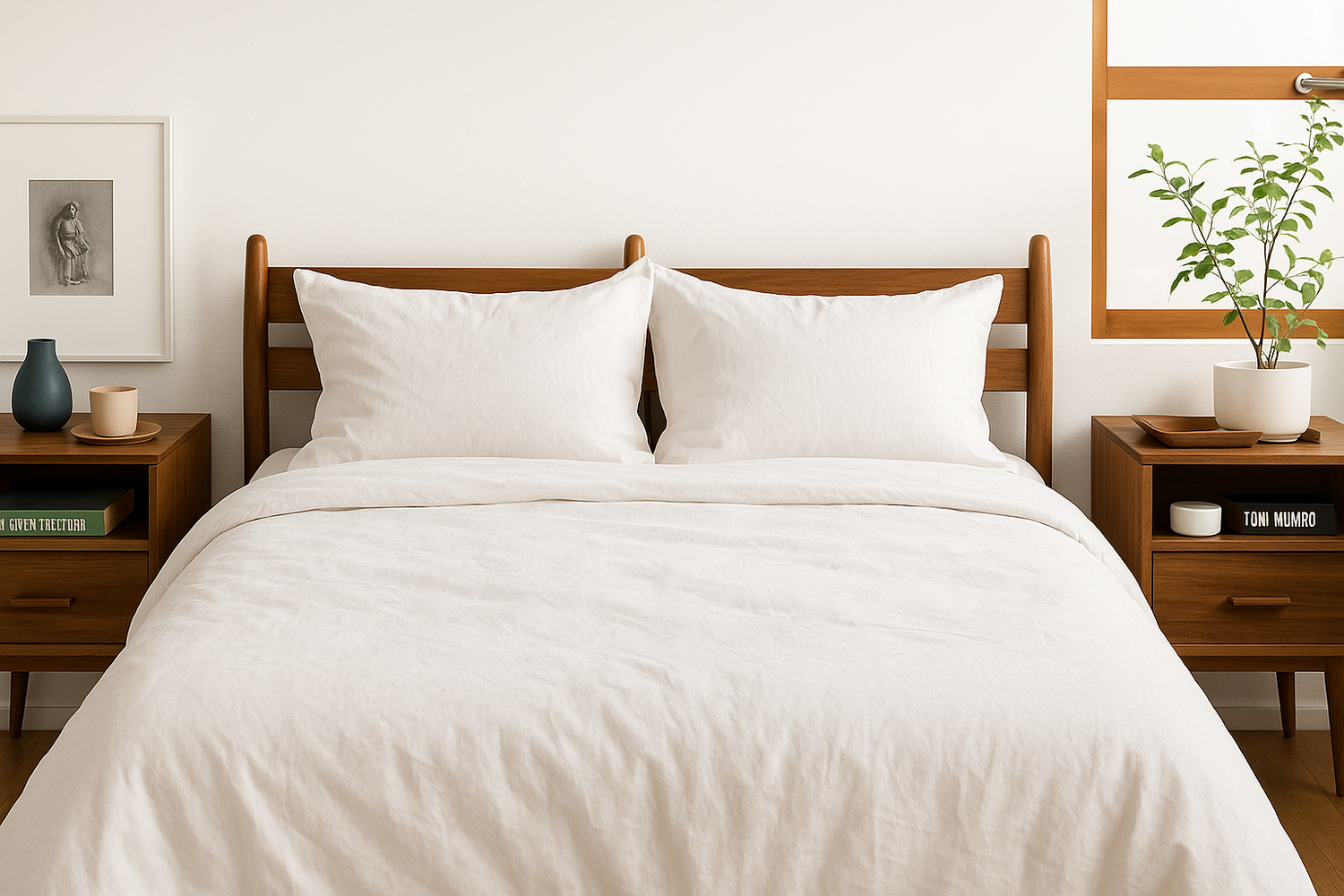
White regenerative wool comforter styled with wood accents — breathable, sustainable, and allergy-friendly.

STRUGGLING WITH SLEEP TEMPERATURE?

Why Your Bed Gets Hot While You Sleep

If you wake up overheated despite a cool room, the issue usually isn’t your body — it’s how heat moves through your bed.

Every sleep system creates a microclimate, and when that space traps heat, temperature rises quickly.

To reach deep sleep, your body must release heat continuously. If bedding reflects heat back instead of letting it dissipate, your nervous system stays alert and sleep remains shallow.

Kids’ bedroom with organic sateen cotton bedding set in white — soft, breathable, sustainable comforter cover from Antipodean Home.

NOT ALL HOT SLEEP IS THE SAME

Why Night Heat Often Has Nothing to Do with Blankets

Some people sleep hot because of excess insulation. Others overheat because moisture builds beneath the covers — even with lightweight bedding.

As moisture accumulates, heat transfer slows.

The body sweats more aggressively to compensate, which raises humidity further.

This feedback loop is what causes the sudden “too hot” wake-ups in the middle of the night.

Luxury regenerative wool comforter folded on bed — temperature regulating, natural loft, chemical-free.

SURFACE COOLING VS. THERMAL CONTROL

Why Cool-to-the-Touch Doesn’t Last

Many modern fabrics feel cool initially because they conduct heat away on contact. But once warmed, most synthetics stop transferring heat and begin trapping moisture instead.

True cooling isn’t about first contact. It’s about maintaining airflow and vapor release over hours of sleep — something most treated or synthetic materials aren’t designed to do.

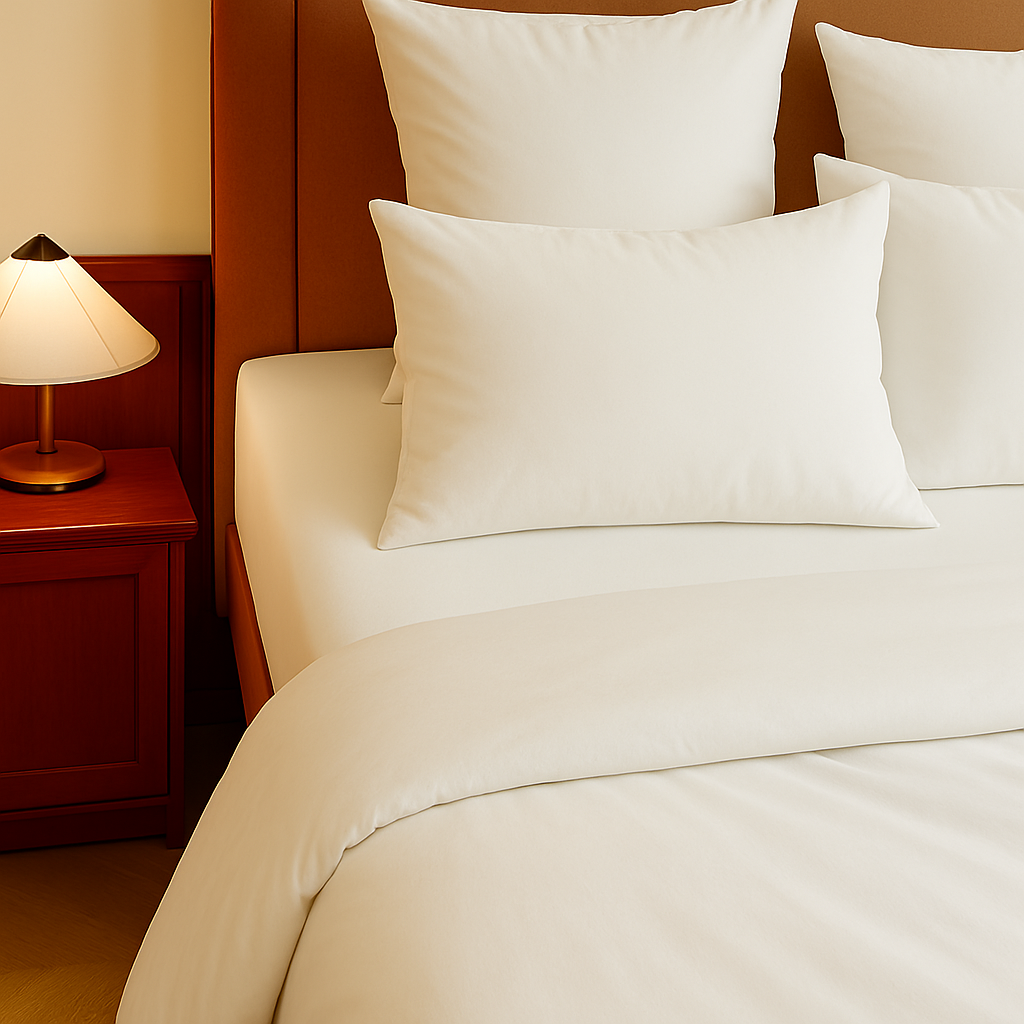
Allergy-proof bedding made from organic cotton and wool. Hypoallergenic wool comforter for sensitive skin. Neatly made bed with white pillows and organic bedding next to a wooden nightstand with a lamp.

TEMPERATURE IS A SYSTEM PROBLEM

How Heat Builds Across the Bed

Overheating rarely comes from one layer alone. Mattresses, sheets, comforters, and pillows all influence how heat and moisture accumulate.

When even one layer restricts airflow or vapor movement, heat builds upward. A cooling bed works only when each layer allows energy and moisture to move freely through the system.

All-season organic wool comforter on bed — soft, hypoallergenic, eco-friendly, crafted in New Zealand. Made regeneratively

WHAT MOST GUIDES LEAVE OUT

Why Moisture Vapor Determines Sleep Temperature

Before sweat appears, moisture exists as vapor. If that vapor escapes, the body cools efficiently.

If it’s trapped, sweat increases and heat rises.

Materials that support moisture vapor transmission stabilize the sleep microclimate and reduce overheating before it starts. This is why long-term cooling depends more on vapor flow than fabric temperature alone.

Woman lying in bed with blue organic wool bedding and pillows

The Enemy in Your Bed

Trapped Heat and Moisture

For hot sleepers, the real problem isn’t warmth — it’s what gets trapped once you fall asleep.

Most bedding seals heat and moisture inside the bed.

As your body releases warmth and vapor overnight, heat reflects back, humidity rises, and sleep stays light and restless.

Natural fibers — especially wool — behave differently.

Wool absorbs moisture vapor inside the fiber and releases it gradually into the air, helping the sleep microclimate stay dry and thermally stable through the night.

Why Cooling Sleep Is About Heat and Moisture Flow

Hot sleep isn’t a mystery.

And it isn’t a personal flaw.

It’s what happens when heat and moisture have nowhere to go.

Once you understand how the sleep microclimate works — and why vapor management matters more than surface cooling — the solution becomes clearer. Cooling sleep isn’t about making the bed feel cold. It’s about allowing your body to regulate temperature naturally, all night long.

That’s why material choice, layering, and airflow matter more than thread count, “cooling” labels, or seasonal marketing claims.

Before we go deeper, it helps to see how common bedding materials actually compare when it comes to managing heat and moisture over time.

Comforter Materials Compared: Which Actually Sleep Cool All Night?

Different comforter materials manage heat and moisture in very different ways — and those differences become more pronounced over the course of a full night’s sleep. This table compares how common comforter fills perform for breathability, moisture vapor release, and long-term temperature stability, not just how they feel at bedtime.

Wool

Down

Bamboo/ Rayon

Polyester/ Microfiber

Temperature Control

Excellent

Medium

Medium

Low

Moisture Control

Absorbs & releases moisture

Absorbs but retains moisture

Medium

Traps moisture

Breathability

High

Medium

Low

Low

Allergy Friendly

Naturally resistant

Can trigger allergies

Generally hypoallergenic

Creates irritants

Chemical Treatment

None

Often treated

Chemically processed

High

Durability

10+ yrs

5-8 yrs

3-5 yrs

2-5 yrs

Best for Hot Sleepers

Ideal

Overheats

Traps humidity

Traps heat & moisture

The Science of Sleeping Cool

Why Cooling Fails After You Fall Asleep

Most bedding is designed for how it feels at first contact, not how it performs over seven to nine hours.

When you fall asleep, your body continues to release:

  • Heat
  • Moisture vapor
  • Metabolic energy

If your bedding can’t move that energy away from your body, the sleep microclimate slowly overheats.

This is why many hot sleepers don’t wake up uncomfortable immediately — they wake up later, once heat and humidity have accumulated.

True cooling must work continuously, not just at the surface.

Heat vs. Insulation: The Common Misunderstanding

Many people assume overheating means they need less warmth.

In reality, the problem is often too much insulation without ventilation.

Insulating materials that don’t breathe:

  • Reflect heat back toward the body
  • Slow evaporative cooling
  • Increase humidity beneath the covers

This creates thermal stress — even in lightweight bedding.

Cooling sleep requires a balance:

  • Enough insulation to avoid cold stress
  • Enough breathability to release heat and vapor

Why Vapor Management Changes Everything

Sweat doesn’t begin as liquid.

It begins as moisture vapor.

If vapor escapes:

  • Sweat never fully forms
  • Skin stays dry
  • Body temperature stabilizes

If vapor is trapped:

  • Sweat increases
  • Fabric clings
  • Heat feels amplified
  • Sleep fragments

This is why Moisture Vapor Transmission is more important than “cool-to-the-touch” claims.

Materials that manage vapor effectively help the body cool itself before sweating escalates.

Why Natural Fibers Perform Differently

Synthetic fibers are chemically stable.

They don’t absorb moisture vapor.

Natural fibers are biologically active.

They interact with heat and moisture dynamically.

Wool is unique among bedding materials because it can:

  • Absorb large amounts of moisture vapor inside the fiber
  • Release that moisture gradually into the air
  • Maintain insulation while preventing overheating

This creates a more stable sleep microclimate — one that adapts as your body temperature rises and falls throughout the night.

The Role of Layering in Long-Term Cooling

Cooling sleep is a system, not a single product.

Each layer of the bed influences how heat and moisture move:

  • The mattress determines whether heat escapes downward
  • Sheets manage direct skin contact
  • The insert controls vapor flow through the bed
  • Pillows affect thermoregulation at the head and neck
  • Airflow supports the entire system

When all layers work together, temperature regulation becomes effortless. When even one layer traps heat, the system fails.

Why Cold Rooms Don’t Always Fix Hot Beds

Many hot sleepers lower the thermostat — sometimes dramatically.

But room temperature only affects the outside of the bed.

If heat and moisture are trapped inside the sleep microclimate, your body still overheats.

This is why some people feel cold in the room but hot under the covers at the same time.

Cooling sleep starts inside the bed, not around it.

Cooling Sleep Is a Biological Requirement

Poor thermal regulation during sleep affects:

  • Sleep depth
  • Recovery
  • Hormonal signaling
  • Nervous system balance
  • Next-day energy and focus

Waking up hot isn’t just uncomfortable. It’s a sign that your sleep environment isn’t supporting how the body actually rests.

When heat and moisture can move freely, sleep becomes deeper, steadier, and more restorative.

A Smarter Approach to Cooling Sleep

For hot sleepers, the goal isn’t colder bedding.

It’s better heat and moisture flow.

That’s where breathable, thermoregulating bedding systems make a meaningful difference — especially for people who wake up overheated night after night.

Bringing It All Together: Choosing the Right Comforter for Cooling Sleep

A comforter isn’t just about warmth.

It defines how heat and moisture move around your body for seven to nine hours every night.

When heat and humidity become trapped inside the bed, your body struggles to cool itself. Core temperature stays elevated, sleep cycles fragment, and you’re more likely to wake up hot, sweaty, or wired in the early morning hours.

Over time, that disruption adds up — affecting recovery, energy, and overall sleep quality.

But wool comforters and wool duvets behave differently because they don’t rely on insulation alone.

By actively regulating temperature and managing moisture vapor, wool helps maintain a drier, more thermally stable sleep microclimate. Instead of overheating first and cooling later, the bed stays balanced throughout the night.

For hot sleepers, night sweaters, and anyone who wakes up overheated despite a cool room, choosing the right comforter is one of the most effective ways to restore consistent, deeper sleep.

Key Takeaways for Hot Sleepers

Comforter material matters more than weight.

Heat buildup is driven by vapor trapping and airflow restriction, not just how heavy a comforter feels.

Overheating is usually a moisture problem first. When moisture vapor can’t escape, sweating increases and heat follows.

Wool regulates heat instead of trapping it.

This helps prevent temperature spikes, night sweats, and mid-sleep wakeups.

  • Cooling performance must last all night.

    Many “cooling” materials feel good at first but fail once moisture accumulates.
  • A stable sleep microclimate supports deeper sleep cycles.

    When temperature stays balanced, the body can remain in restorative sleep longer.
  • The right comforter supports long-term sleep quality.

    Consistent thermal regulation night after night leads to better recovery and more predictable rest.

Find the Right Wool Comforter or Duvet for Your Sleep

Discover how regenerative New Zealand wool creates a more breathable, balanced sleep environment. Crafted with ZQ-certified Merino wool and organic materials, our wool comforters and duvets are designed for hot sleepers, allergy-prone households, and anyone seeking cleaner, more restorative sleep.

Built to last for years, not seasons, this is bedding designed to support deeper sleep — naturally.

Woman waking up refreshed with Sustainable wool comforter on bed with organic cotton cover in serene, minimalist bedroom

Experience deeper sleep, naturally.

Deeper Sleep