
If you’re comparing alpaca vs merino wool, the answer depends heavily on how the fiber is used.
In clothing, both materials can perform well. But when it comes to duvet inserts, comforters, and bedding systems, the difference becomes much more pronounced — especially for temperature and moisture control during sleep.
For warm sleepers, humidity control matters more than softness — and wool consistently outperforms alpaca overnight.
Quick Verdict
Sleep cool → Alpaca comforter can work
Sleep warm or wake clammy → Merino wool duvet insert performs better
For hot sleepers, the difference isn’t surface feel — it’s how each material manages humidity once your body temperature rises.
Removing excess warmth isn’t enough. If a duvet doesn’t buffer humidity through the entire night, temperature spikes return.
That’s the difference structural breathability makes.
Organic Wool Comforter | All-Season | Antipodean Home

$342.00
$380.00
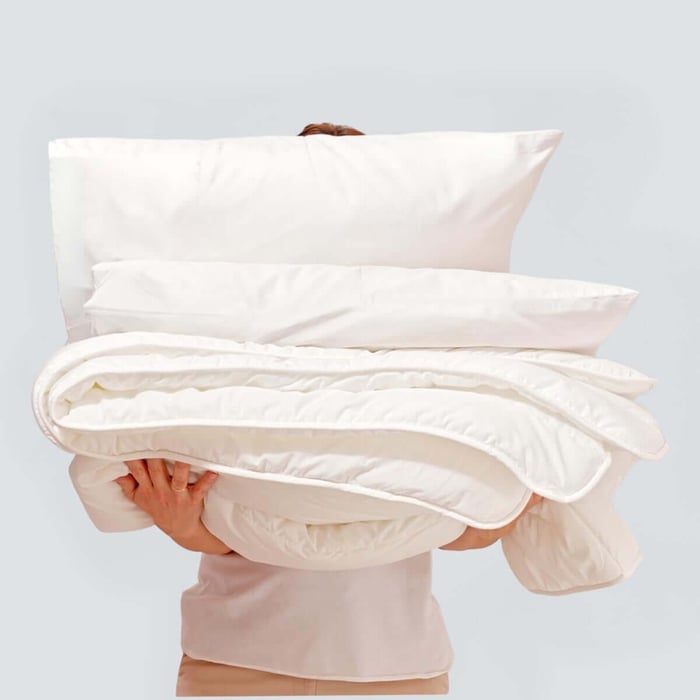
Our organic wool comforter is a breathable, temperature-regulating wool duvet insert designed for hot sleepers and year-round comfort. This wool comforter naturally releases heat and moisture, helping you stay dry, cool, and comfortable all night — without synthetics or down.… Read more
👉 Explore the Organic Wool comforter for Hot Sleepers
Alpaca vs Merino Wool: What’s the Difference in Bedding?
Both alpaca and merino wool are natural fibers, but they behave very differently in bedding.
Alpaca fiber is smooth and lightweight, which makes it feel soft and insulating — but it has limited moisture regulation.
Merino wool, by contrast, has a crimped structure that allows it to absorb and release moisture vapor while maintaining airflow. This is what gives wool its temperature-regulating performance in bedding.
When comparing alpaca vs merino wool for duvets or comforters, the key difference isn’t softness — it’s how each fiber manages heat and humidity overnight.
What Is an Alpaca Duvet Insert (and Who Is It Best For)?
An alpaca duvet insert is often marketed as luxurious and feather-light. Alpaca fibers are naturally smooth, lanolin-free, and gentle on sensitive skin. For people who dislike weighty bedding, alpaca can feel indulgent and cozy.
Key Features of Alpaca Duvet Inserts
Softness: Silky, smooth feel with no itch
Lightweight warmth: Hollow fibers trap heat efficiently
Hypoallergenic: Naturally low in lanolin
Downsides of Alpaca Duvet Inserts
Despite the comfort appeal, alpaca has trade-offs for bedding performance:
Lower elasticity than sheep’s wool, which can reduce loft recovery over time
Limited moisture movement, especially for warm sleepers
Better suited to throws or colder climates than all-season sleep
These limitations are why many alpaca duvet reviews mention warmth but also note overheating or flattening with long-term use.
That difference matters most for people who overheat, sweat at night, or experience temperature swings.
What Is a Wool Duvet Insert?
A wool duvet insert behaves very differently from alpaca. Sheep’s wool fibers are naturally crimped and elastic, creating built-in airflow that allows heat and humidity to escape rather than accumulate.
This structure makes wool especially effective for bedding designed for hot sleepers and fluctuating temperatures.
Key Advantages of Wool Duvet Inserts
Continuous airflow through crimped fibers
Active moisture regulation
Stable loft that resists flattening
Better performance across changing seasons
This is why wool has been used for centuries in climates where temperature and humidity fluctuate overnight.
Organic Wool Comforter | All-Season | Antipodean Home
$342.00
$380.00
Our organic wool comforter is a breathable, temperature-regulating wool duvet insert designed for hot sleepers and year-round comfort. This wool comforter naturally releases heat and moisture, helping you stay dry, cool, and comfortable all night — without synthetics or down.… Read more
Moisture & Breathability: The Critical Difference
The biggest difference in the alpaca vs wool duvet insert or comforter comparison comes down to moisture.
Every night, your body releases heat and water vapor. If a duvet traps that moisture, the sleep environment becomes warm, damp, and uncomfortable.
Alpaca wool resists absorbing moisture but also struggles to release it, which can leave humidity trapped near the body
Wool absorbs and releases moisture vapor, allowing the bedding to stay dry even during temperature spikes
This is the same mechanism behind how wool thermoregulation works, where the fiber continuously balances heat and humidity to keep the sleep environment stable.For hot sleepers, this translates to fewer wake-ups, less sweating, and more consistent comfort.
When duvet materials are compared by how they handle airflow and humidity under real sleeping conditions, the performance gaps become obvious — which is why we rank common fills in our guide to Best Bedding Materials for Hot Sleepers.
Durability & Long-Term Performance
Another overlooked difference is how each fiber holds up over time.
Alpaca wool: Softer fibers, lower elasticity, and more prone to flattening
Wool: Naturally elastic, resilient, and resistant to breakdown
When comparing an alpaca quilt vs wool comforter, wool generally maintains loft and performance for far longer.
Sustainability Considerations
Alpacas are often described as low-impact animals, but sustainability varies widely depending on land management. In some regions, overgrazing has led to soil degradation.
Organic regenerative wool, by contrast, comes from farming systems designed to:
restore soil health
increase biodiversity
sequester carbon
This makes regenerative wool not just sustainable, but actively restorative.
Why We Chose Organic Regenerative Wool for Our Bedding
When choosing materials for all-season bedding, we prioritized moisture control, airflow, and long-term durability.
That’s why we use regenerative New Zealand wool — a fiber proven in bedding, resilient over time, and sourced from farms focused on environmental restoration as well as animal welfare.
👉 If moisture-wicking and breathability are your priority, see why we chose organic wool for our all-season collection.
Side-by-Side Comparison: Alpaca vs Wool Duvet Insert
| Feature | Alpaca Wool | Organic Regenerative Wool |
|---|---|---|
| Softness | Silky, luxurious | Plush, breathable comfort |
| Warmth | Lightweight warmth | Balanced, year-round |
| Breathability | Limited | High airflow |
| Moisture control | Weak | Strong |
| Durability | Flattens over time | Long-lasting loft |
| Sustainability | Mixed | Regenerative |
If you’re deciding between alpaca or wool for a comforter, the choice comes down to whether you prioritize softness or moisture control.
Final Verdict: Alpaca vs Wool Duvet Insert
Choose alpaca if you value ultra-soft luxury and naturally sleep cool.
Choose wool if you want stable temperature regulation, dryness, and comfort that lasts all night.
For hot sleepers, moisture control is the deciding factor — and that’s where wool consistently outperforms alpaca.
If breathability and temperature balance matter most, explore our organic wool comforter for hot sleepers, designed to regulate temperature and humidity throughout the night.
Organic Wool Comforter | All-Season | Antipodean Home
$342.00
$380.00
Our organic wool comforter is a breathable, temperature-regulating wool duvet insert designed for hot sleepers and year-round comfort. This wool comforter naturally releases heat and moisture, helping you stay dry, cool, and comfortable all night — without synthetics or down.… Read more
Frequently Asked Questions
What is an alpaca duvet insert or alpaca comforter?
An alpaca wool duvet is a type of comforter filled with alpaca fleece rather than traditional sheep’s wool, down, or synthetic fibers. Alpaca is prized for its silky feel and lightweight warmth, which is why it’s often marketed as a luxury alternative. Many people choose alpaca for its softness against the skin and its natural insulating qualities. However, unlike regenerative sheep’s wool, alpaca fibers don’t have the same crimp or spring, which means they don’t trap and release air as efficiently. This can affect breathability and moisture regulation during sleep, making alpaca less ideal for hot or humid climates.
Is alpaca or merino wool better for a duvet or comforter?
It depends on what you value most. Alpaca wool is softer to the touch and feels very lightweight, which makes it appealing for people who like a silky, airy feel in their bedding. Regenerative sheep wool, however, has a natural crimp in the fibers that gives it superior resilience and airflow. This crimp allows sheep’s wool to wick moisture and regulate temperature far more effectively than alpaca, especially for hot sleepers who need bedding that can release heat throughout the night. If your priority is softness, alpaca may feel nicer, but if you want year-round comfort and breathability, regenerative sheep wool usually performs better.
What are the disadvantages of alpaca wool?
While alpaca has some attractive qualities, there are a few drawbacks to be aware of. First, alpaca tends to trap humidity more than regenerative sheep wool, which can leave hot sleepers feeling clammy. Second, alpaca duvets and comforters often lose loft over time, flattening more quickly than wool products that bounce back thanks to their natural crimp. Third, alpaca can be harder to clean and maintain. Unlike regenerative wool, which has some natural odor and bacteria resistance, alpaca duvets may require more careful washing and can develop a musty smell if not dried properly. For long-term durability, alpaca often falls short compared to regenerative wool.
Alpaca vs wool duvet insert — which is best for hot sleepers?
For hot sleepers, regenerative wool is usually the better option. Wool’s fiber structure is springy and naturally creates tiny air pockets that allow air to circulate and moisture to escape. This means your body heat doesn’t get trapped under the covers, and sweat can evaporate instead of soaking into the fill. Alpaca duvets, on the other hand, may feel cozy at first but can hold onto heat and humidity in warmer environments. If you tend to overheat at night or live in a climate with hot summers, a regenerative wool duvet is much more likely to keep you cool, dry, and comfortable.
How does alpaca compare to down duvets?
Alpaca and down share some similarities — both are lightweight and designed to provide loft and insulation without much bulk. Alpaca mimics the fluffy, cloud-like feel of down to a degree, but it doesn’t breathe as well. Down clusters can trap air effectively, but they often hold onto moisture, and alpaca fibers have the same problem. Both alpaca and down can leave hot sleepers feeling damp or sweaty. Regenerative wool provides a better balance: it regulates temperature, wicks moisture, and resists flattening over time, all while being naturally hypoallergenic and chemical-free. If you’re choosing between alpaca and down, wool often offers a healthier and more comfortable third option.
Is regenerative wool eco-friendly?
Yes — regenerative wool is one of the most eco-friendly bedding materials available. Unlike conventional wool, which may simply focus on animal welfare or organic feed, regenerative wool is sourced from farms that actively restore soil health, sequester carbon, and improve biodiversity. These systems don’t just avoid harm — they give back to the land, reversing degradation and creating healthier ecosystems for future generations. Regenerative wool is also biodegradable and renewable, so when your duvet eventually reaches the end of its lifespan, it won’t shed microplastics or pollute waterways the way synthetic fills do. Choosing regenerative wool supports both your sleep health and the planet.
How do you care for an alpaca duvet insert or comforter?
Caring for an alpaca duvet insert requires a gentler approach than synthetic or down bedding. Always use a breathable duvet cover to protect the insert from dirt and body oils — this reduces how often you’ll need to clean it. For everyday freshness, air your alpaca duvet outdoors on a dry, breezy day; alpaca fibers respond well to natural airing and sunlight, which help remove odors and restore loft.
If a spill happens, spot clean gently with cold water and mild detergent, avoiding scrubbing that could damage the delicate fibers. Full washing is not recommended, as alpaca duvets can lose shape or felt when soaked; instead, professional dry cleaning or a specialist wool wash service is the safest option. Always avoid high heat, tumble drying, or harsh chemicals. With proper care, your alpaca duvet insert can stay soft, warm, and in good condition for years.
Is an alpaca comforter better than a wool comforter for sleep quality?
Not necessarily. An alpaca duvet is soft and lightweight, but it doesn’t regulate temperature or manage moisture as well as an organic wool comforter. For hot sleepers, regenerative wool is usually the better choice.
Do alpaca wool duvets make you hot at night?
They can. Alpaca provides warmth but lacks the same breathability as wool. Many people report overheating or feeling clammy under an alpaca wool comforter, especially in humid climates.
How long does an alpaca duvet insert last compared to a wool duvet insert?
Alpaca fibers are smooth and can flatten over time, which shortens the lifespan of an alpaca duvet. Wool fibers are naturally crimped and springy, helping a wool comforter retain loft and durability for years.
Which is more sustainable for bedding: alpaca or regenerative wool?
Alpacas have a smaller footprint than some livestock, but overgrazing can damage fragile ecosystems. Organic regenerative wool goes further by restoring soil, capturing carbon, and actively healing the land—making it the more sustainable option.
What’s the best choice for hot sleepers: alpaca vs wool duvet or comforter?
A wool quilt made with regenerative wool is the best option for hot sleepers. It wicks away moisture, regulates body temperature, and prevents overheating. Alpaca duvets, while cozy, don’t manage humidity as effectively.
Is alpaca or merino wool better for bedding?
Merino wool is generally better for bedding because it regulates both temperature and moisture. While alpaca is soft and insulating, it doesn’t manage humidity as effectively, which can lead to overheating during sleep.
Is alpaca or wool better for a duvet insert?
For most sleepers, wool is the better choice for a duvet insert because it regulates both temperature and moisture throughout the night.
Alpaca duvet inserts are lightweight and soft, but they tend to trap heat and don’t manage humidity as effectively. This can lead to a warmer, slightly damp sleep environment — especially for hot sleepers.
Wool duvet inserts, particularly those made with merino wool, actively absorb and release moisture vapor while maintaining airflow. This helps keep the sleep microclimate dry, stable, and comfortable across changing temperatures.
If you’re choosing between alpaca or wool for a comforter or duvet insert, alpaca suits cooler sleepers who prefer lightweight warmth, while wool performs better for all-season use, temperature regulation, and consistent overnight comfort.
Alpaca vs wool comforter — what’s the difference for sleep?
The main difference between an alpaca comforter and a wool comforter comes down to how each material handles heat and moisture during sleep.
An alpaca comforter is lightweight, soft, and insulating, which can feel comfortable initially — especially for cooler sleepers. However, alpaca fibers don’t regulate humidity as effectively, so heat and moisture can build up overnight.
A wool comforter, particularly one made with merino wool, actively absorbs and releases moisture vapor while maintaining airflow. This helps regulate temperature, reduce overheating, and keep the sleep environment dry and stable.
For sleep performance, alpaca offers softness and warmth, while wool provides more consistent temperature regulation, breathability, and all-season comfort — especially for hot sleepers or anyone prone to night sweats.